
Isolation Valve in Brisbane

Join industrial buyers comparing supplier quotes and buying with confidence. Free, quick and easy.

How IndustrySearch works
Tell us what you need
Answer a few quick questions about the equipment you're looking for.
Get personalised quotes
Receive tailored quotes from relevant Australian suppliers.
Compare and choose
Compare quotes, ask questions and choose the best option for you.
 Save time
 Compare quotes
 Buy with confidence
Save time, compare quotes & buy with confidence
Isolation Valve Suppliers in Brisbane

Pacific Hoseflex is an Isolation Valve supplier to Brisbane
Recognized as an industry leader in engineering fluid transfer products, Pacific Hoseflex is a third generation Australian owned and operated business. Originating on the South East side of Queensland, our modern manufacturing facilities are successfully producing products which are distributed throughout Australia and globally. Our main business focus is to deliver superior ...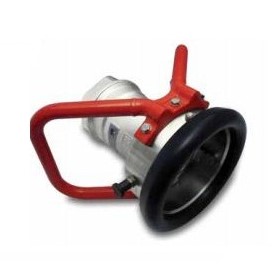

- Ball valves: These valves have a spherical ball inside that rotates to control the flow of fluid.
- Gate valves: These valves have a gate that moves up and down to control the flow of fluid.
- Globe valves: These valves have a globe-shaped body and a plug that moves up and down to control the flow of fluid.
- Butterfly valves: These valves have a disk that rotates to control the flow of fluid.
- Diaphragm valves: These valves have a flexible diaphragm that moves up and down to control the flow of fluid.
- Needle valves: These valves have a long, tapered needle that moves in and out of a small orifice to control the flow of fluid.
- Check valves: These valves allow fluid to flow in one direction only and prevent backflow.
- Shutting off the flow of fluids or gases in case of emergencies or maintenance.
- Controlling the flow of fluids or gases to regulate pressure, temperature, or flow rate.
- Preventing contamination of fluids or gases by isolating them from the rest of the system.
- Protecting equipment from damage by isolating it from the rest of the system during maintenance or repair.
- Diverting the flow of fluids or gases to different parts of the system for different purposes.
- Providing a means of isolating different sections of a pipeline or system for testing or inspection.
- Controlling the flow of fluids or gases in hazardous environments to ensure safety.
- Pressure rating: The pressure rating of the valve should be considered to ensure it can handle the pressure of the fluid being transported.
- Temperature rating: The temperature rating of the valve should be considered to ensure it can handle the temperature of the fluid being transported.
- Size: The size of the valve should be considered to ensure it can handle the flow rate of the fluid being transported.
- Material: The material of the valve should be considered to ensure it is compatible with the fluid being transported and can withstand the conditions of the environment.
- Operation: The method of operation of the valve should be considered, whether it is manual or automated, and whether it requires power or not.
- Maintenance: The ease of maintenance of the valve should be considered, including the availability of spare parts and the need for regular maintenance.
- Follow the manufacturer's instructions: Always follow the manufacturer's instructions for the specific isolation valve being used.
- Wear personal protective equipment: Wear appropriate personal protective equipment, including gloves, safety glasses, and a face shield.
- Lockout/tagout: Before working on the pipeline or equipment, ensure that the isolation valve is locked out and tagged out to prevent accidental opening.
- Verify pressure: Before opening the isolation valve, verify that there is no pressure in the pipeline or equipment.
- Vent the system: If there is any residual pressure, vent the system before opening the isolation valve.
- Use proper tools: Use the appropriate tools to operate the isolation valve. Do not use makeshift tools or use excessive force.
- Monitor the system: While the isolation valve is open, monitor the system for any leaks or pressure changes.
- Close the valve: Once the work is completed, close the isolation valve and remove the lockout/tagout device.
- Test the system: After closing the isolation valve, test the system to ensure that it is functioning properly.
Isolation Valve Costs and Supplier Insights
Why choose a supplier in Brisbane for Isolation Valve Quotes?
If you are in Brisbane and considering purchasing an Isolation Valve, it's worth considering Brisbane-based suppliers. Doing so offers several benefits that are particularly relevant to businesses in the area. Here are the top reasons why opting for a local Brisbane supplier can be the best decision for your Isolation Valve buying needs.
Cost-Effective Isolation Valve SolutionsFind cost-effective Isolation Valve solutions when you buy from suppliers in locally. Local sourcing eliminates many hidden costs associated with international shipping.
Quality from Trusted Brisbane SuppliersExpect high-quality Isolation Valve from trusted suppliers. Local suppliers adhere to strict Australian standards, ensuring top-tier products.
Custom Solutions from Brisbane SuppliersGet Isolation Valve solutions that meet your exact needs from local suppliers. Tailor-made products ensure maximum efficiency and satisfaction.
Partner with Brisbane Suppliers for ComplianceChoose local suppliers as your compliance partners. Their expertise ensures that all products meet local regulations, giving you peace of mind.
Minimising Downtime with Quick DeliveriesMinimise operational downtime with faster Isolation Valve deliveries from Brisbane. Rapid supply keeps your business moving without interruption.
Local Expertise for Isolation Valve RepairsUtilise local expertise for Isolation Valve repairs in Brisbane. Expert technicians nearby mean less downtime and better maintenance.
Buy a Isolation Valve Near Me
Isolation Valve Articles & Reviews



 Reach valuable industrial buyers in minutes
 Promote key products & content
 Drive cost effective & measurable sales