
Isolation Valve in Sydney

Join industrial buyers comparing supplier quotes and buying with confidence. Free, quick and easy.

How IndustrySearch works
Tell us what you need
Answer a few quick questions about the equipment you're looking for.
Get personalised quotes
Receive tailored quotes from relevant Australian suppliers.
Compare and choose
Compare quotes, ask questions and choose the best option for you.
 Save time
 Compare quotes
 Buy with confidence
Save time, compare quotes & buy with confidence
Isolation Valve Suppliers in Sydney

Prochem Pipeline Products is an Isolation Valve supplier to Sydney
Australian owned and Managed, Prochem delivers world class products through six stocking branches across Australia, enabling rapid turn-around times, and ensuring our commitment to our valued customers is maintained through our well established principals of "quality of service and supply" Our success in Australia over many years has encouraged Prochem to establish offices in ...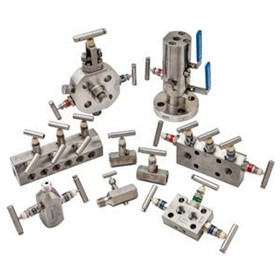

- Ball valves: These valves have a spherical ball inside that rotates to control the flow of fluid.
- Gate valves: These valves have a gate that moves up and down to control the flow of fluid.
- Globe valves: These valves have a globe-shaped body and a plug that moves up and down to control the flow of fluid.
- Butterfly valves: These valves have a disk that rotates to control the flow of fluid.
- Diaphragm valves: These valves have a flexible diaphragm that moves up and down to control the flow of fluid.
- Needle valves: These valves have a long, tapered needle that moves in and out of a small orifice to control the flow of fluid.
- Check valves: These valves allow fluid to flow in one direction only and prevent backflow.
- Shutting off the flow of fluids or gases in case of emergencies or maintenance.
- Controlling the flow of fluids or gases to regulate pressure, temperature, or flow rate.
- Preventing contamination of fluids or gases by isolating them from the rest of the system.
- Protecting equipment from damage by isolating it from the rest of the system during maintenance or repair.
- Diverting the flow of fluids or gases to different parts of the system for different purposes.
- Providing a means of isolating different sections of a pipeline or system for testing or inspection.
- Controlling the flow of fluids or gases in hazardous environments to ensure safety.
- Pressure rating: The pressure rating of the valve should be considered to ensure it can handle the pressure of the fluid being transported.
- Temperature rating: The temperature rating of the valve should be considered to ensure it can handle the temperature of the fluid being transported.
- Size: The size of the valve should be considered to ensure it can handle the flow rate of the fluid being transported.
- Material: The material of the valve should be considered to ensure it is compatible with the fluid being transported and can withstand the conditions of the environment.
- Operation: The method of operation of the valve should be considered, whether it is manual or automated, and whether it requires power or not.
- Maintenance: The ease of maintenance of the valve should be considered, including the availability of spare parts and the need for regular maintenance.
- Follow the manufacturer's instructions: Always follow the manufacturer's instructions for the specific isolation valve being used.
- Wear personal protective equipment: Wear appropriate personal protective equipment, including gloves, safety glasses, and a face shield.
- Lockout/tagout: Before working on the pipeline or equipment, ensure that the isolation valve is locked out and tagged out to prevent accidental opening.
- Verify pressure: Before opening the isolation valve, verify that there is no pressure in the pipeline or equipment.
- Vent the system: If there is any residual pressure, vent the system before opening the isolation valve.
- Use proper tools: Use the appropriate tools to operate the isolation valve. Do not use makeshift tools or use excessive force.
- Monitor the system: While the isolation valve is open, monitor the system for any leaks or pressure changes.
- Close the valve: Once the work is completed, close the isolation valve and remove the lockout/tagout device.
- Test the system: After closing the isolation valve, test the system to ensure that it is functioning properly.
Isolation Valve Costs and Supplier Insights
Why choose a supplier in Sydney for Isolation Valve Quotes?
If you are in Sydney and considering purchasing an Isolation Valve, it's worth considering Sydney-based suppliers. Doing so offers several benefits that are particularly relevant to businesses in the area. Here are the top reasons why opting for a local Sydney supplier can be the best decision for your Isolation Valve buying needs.
Local Expertise for Isolation Valve Legal StandardsBenefit from local expertise in Isolation Valve legal standards in Sydney. Stay ahead of regulatory changes with suppliers who focus on compliance.
Sydney Providers Leading Innovation AdoptionChoose Sydney Isolation Valve providers leading in innovation adoption. They help you implement the latest industry trends swiftly, enhancing your operational capacity.
Immediate Isolation Valve Availability in SydneyBenefit from immediate Isolation Valve availability when you choose suppliers in Sydney. Quick access to equipment prevents project delays.
Supply Chain Stability with Sydney SuppliersEnhance your supply chain stability by choosing Isolation Valve suppliers in Sydney. Local sourcing reduces risks associated with global disruptions.
Dependability of Sydney Isolation Valve ProductsAssure quality and dependability when you buy an Isolation Valve. Local suppliers maintain rigorous quality control to meet your expectations.
Local Expertise for Isolation Valve RepairsUtilise local expertise for Isolation Valve repairs in Sydney. Expert technicians nearby mean less downtime and better maintenance.
Buy a Isolation Valve Near Me
Isolation Valve Articles & Reviews



 Reach valuable industrial buyers in minutes
 Promote key products & content
 Drive cost effective & measurable sales