
Junction Box in Adelaide

Join industrial buyers comparing supplier quotes and buying with confidence. Free, quick and easy.
How IndustrySearch works
Tell us what you need
Answer a few quick questions about the equipment you're looking for.
Get personalised quotes
Receive tailored quotes from relevant Australian suppliers.
Compare and choose
Compare quotes, ask questions and choose the best option for you.
 Save time
 Compare quotes
 Buy with confidence
Save time, compare quotes & buy with confidence
Junction Box Suppliers in Adelaide

Scame Electrical Solutions is an Junction Box supplier to All
Scame Parre S.p.A., a leading company in the production of electrical material was estabilished in 1963 and today, as a group, includes more than 18 controlled and associated companies around the world with approximately 800 employees. Modern equipment, robotised assembly work and painstaking quality control guarantee a product that is both reliable and technologically ...


Hammond Electronics is an Junction Box supplier to Adelaide
Hammond Manufacturing is a global company with customers worldwide. Our 700 plus team members work together to deliver on our promise of quality products and service excellence. High performance manufacturing equipment and continuous improvement management techniques combine to enhance our reputation for quality. Ongoing efforts to differentiate ourselves through high levels of ...

- Metal junction boxes: These are made of steel or aluminum and are suitable for most electrical applications. They are durable and provide good protection against moisture and dust.
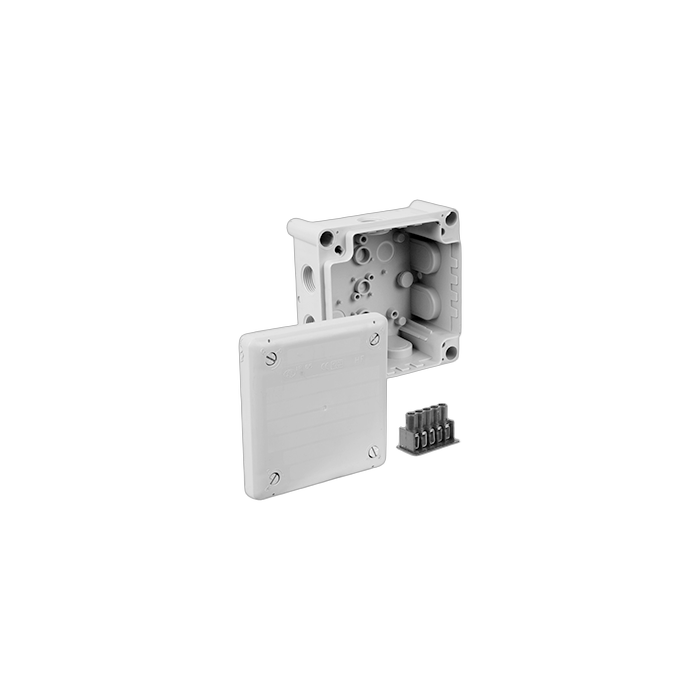
- Plastic junction boxes: These are made of PVC or polycarbonate and are suitable for indoor and outdoor applications. They are lightweight and easy to install.
- Weatherproof junction boxes: These are designed to provide protection against rain, snow, and other weather conditions. They are usually made of metal or plastic and are suitable for outdoor applications.
- Explosion-proof junction boxes: These are designed to prevent explosions in hazardous environments. They are usually made of metal and are suitable for use in chemical plants, refineries, and other similar environments.
- Terminal blocks: These are used to connect wires in a neat and organized manner. They are usually made of plastic and are suitable for indoor applications.
- Pull boxes: These are used to provide access to electrical connections. They are usually made of metal and are suitable for indoor and outdoor applications.
- Number of wires: The first thing to consider is the number of wires that will be connected in the junction box. The more wires there are, the larger the box needs to be to accommodate them all.
- Size of wires: The size of the wires also needs to be taken into account. Larger wires require more space and may need a larger box.
- Type of connectors: The type of connectors being used also affects the size of the box. Some connectors are larger and require more space.
- Accessibility: The box should be large enough to allow for easy access to the wires and connectors. This is important for maintenance and repairs.
- Future needs: It's always a good idea to plan for future needs. If you think you may need to add more wires or connectors in the future, choose a larger box to accommodate them.
- Plastic: Junction boxes made of plastic are lightweight, durable, and easy to install. They are commonly used in residential and commercial electrical systems.
- Metal: Junction boxes made of metal, such as steel or aluminum, are strong and sturdy. They are often used in industrial applications or in locations where the box may be exposed to harsh environmental conditions.
- Fiberglass: Junction boxes made of fiberglass are lightweight, strong, and resistant to corrosion. They are commonly used in outdoor applications or in environments with high humidity or moisture.
- PVC: Junction boxes made of PVC (polyvinyl chloride) are resistant to moisture and chemicals. They are commonly used in underground applications or in locations where the box may be exposed to water.
- Cast Iron: Junction boxes made of cast iron are strong and durable. They are often used in large-scale industrial applications.
- Ceramic: Junction boxes made of ceramic are resistant to high temperatures and are used in applications where the box may be exposed to extreme heat or fire.
- Choose the location: Determine where the junction box will be located. It should be easily accessible and not obstructed.
- Turn off power: Turn off the power to the circuit that the junction box will be connected to.
- Cut the opening: Use a drywall saw to cut an opening in the wall or ceiling for the junction box. Make sure the opening is the correct size for the box.
- Install the box: Place the junction box into the opening and secure it in place using screws. Make sure the box is flush with the wall or ceiling.
- Connect the wires: Connect the wires to the junction box according to the wiring diagram for your specific application. Use wire connectors to secure the connections.
- Secure the cover: Place the cover on the junction box and secure it in place using screws.
- Turn on power: Turn on the power to the circuit and test the connections to make sure they are working properly.
- Turn off the power: Before starting any electrical work, turn off the power to the circuit you will be working on. This can be done by turning off the circuit breaker or removing the fuse.
- Wear personal protective equipment: When working with electrical systems, it is important to wear the appropriate personal protective equipment, such as rubber gloves, safety glasses, and a face shield.
- Choose the right size and type of junction box: Make sure you choose a junction box that is the appropriate size and type for the job. This will ensure that the wires and connections inside the box are protected and that there is enough space for all the wires and connectors.
- Install the junction box in a safe location: The junction box should be installed in a safe location, away from any flammable materials, and where it will not be exposed to moisture or other hazards.
- Use proper wiring techniques: When wiring the junction box, use the proper techniques and tools to ensure that the connections are safe and secure. This includes stripping wires to the correct length, using wire nuts or other connectors, and using electrical tape to secure the connections.
- Test the connections: Before turning the power back on, test the connections to ensure that they are secure and that there are no loose wires or connections.
- Some of the key requirements for electrical junction boxes in Australia include:
- Compliance with electrical safety standards: Junction boxes must comply with the electrical safety standards set by the relevant authorities in Australia.
- Proper installation: Junction boxes must be installed by qualified electricians according to the requirements set out in the Australian Standards.
- Protection against moisture and dust: Junction boxes must be designed and installed in a way that protects them from moisture and dust.
- Proper sizing: Junction boxes must be sized appropriately for the number of cables and connections they will contain.
- Proper labeling: Junction boxes must be labeled clearly to indicate the type of cables and connections contained within.
Junction Box Costs and Supplier Insights
Why choose a supplier in Adelaide for Junction Box Quotes?
If you are in Adelaide and considering purchasing a Junction Box, it's worth considering Adelaide-based suppliers. Doing so offers several benefits that are particularly relevant to businesses in the area. Here are the top reasons why opting for a local Adelaide supplier can be the best decision for your Junction Box buying needs.
Custom Solutions from Adelaide SuppliersGet Junction Box solutions that meet your exact needs from local suppliers. Tailor-made products ensure maximum efficiency and satisfaction.
Investing in Adelaide with Every Junction Box PurchaseEach purchase of a Junction Box from a supplier in Adelaide is an investment in its future. Help cultivate a thriving local business landscape.
Continuous Support for Your Junction BoxGet continuous support for your Junction Box needs from Adelaide's local suppliers. Ongoing help ensures your equipment performs at its best.
Relationships with Adelaide Junction Box SuppliersBuild strong business relationships with Junction Box suppliers. Local interactions promote trust and collaborative opportunities.
Access to Junction Box Training Experts in AdelaideGain direct access to Junction Box training experts. Local suppliers can provide tailored instruction that fits your specific needs and challenges.
Eco-Friendly Junction Box SolutionsReduce your carbon footprint by choosing eco-friendly Junction Box solutions. Local sourcing cuts down on transport emissions and supports sustainable practices.
Buy a Junction Box Near Me

 Reach valuable industrial buyers in minutes
 Promote key products & content
 Drive cost effective & measurable sales