
Let us get you 3 quotes
Compare and select the best Metal Locator
Compare Quotes

Find the right
Metal Locator in Darwin
Metal Locator in Darwin
Join industrial buyers comparing supplier quotes and buying with confidence. Free, quick and easy.

How IndustrySearch works
Tell us what you need
Answer a few quick questions about the equipment you're looking for.
Get personalised quotes
Receive tailored quotes from relevant Australian suppliers.
Compare and choose
Compare quotes, ask questions and choose the best option for you.
Looking to buy the best Metal Locator for sale in Darwin? Get Quotes sends your requirements to expert suppliers in Australia so you get personalised quotes to compare Metal Locator prices, specifications, features and terms then choose the one that’s right for you. Also compare servicing, consumables and reviews, so you can buy with confidence.
 Save time
 Compare quotes
 Buy with confidence
Save time, compare quotes & buy with confidence
Metal Locator Suppliers in Darwin
Supplier location
Brand

Access Detection | Pipe & Cable Locators & Water Leak Detection
Access Detection is an Metal Locator supplier to All
Access Detection specialise in underground service location and water/gas leak detection. You can be assured all our staff have thorough knowledge of our equipment to assist you with your enquires with a combined 40 years experience in the industry. Access Detection have supplied equipment to major corporations like Sydney Water & Telstra. We also pride ourselves in taking ...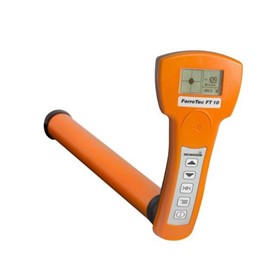

Testrix | Inspection Systems
Testrix is an Metal Locator supplier to All
Testrix Systems manufacture a range of sewer and drain pipe inspection camera systems to suit various applications. Along with these inspection systems, we have our precision digital underground cable and pipe locator, the U-Loc, the innovative Aqua-Loc water leak detection kit and a range of thermal imaging cameras offering excellent resolutions at a price point 40% below similar ...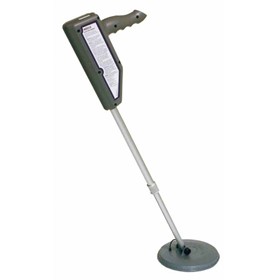

Metal Locator
Metal Locator
What is a metal detector and how does it work?
A metal detector is an electronic device that detects the presence of metal nearby. It works by generating a magnetic field and then detecting any changes in that field caused by the presence of metal. When metal is detected, the device emits an audible or visual signal to alert the user. Metal detectors are commonly used for treasure hunting, security screening, and archaeological exploration.
What are the different types of metal detectors available in Australia?
There are several types of metal detectors available in Australia, including:
- VLF (Very Low Frequency) metal detectors: These are the most common type of metal detectors and are suitable for detecting coins, jewelry, and relics.
- PI (Pulse Induction) metal detectors: These are more powerful than VLF detectors and can detect deeper targets, such as gold nuggets and large relics.
- Multi-frequency metal detectors: These detectors can operate at multiple frequencies, making them versatile and suitable for a wide range of applications.
- Underwater metal detectors: These are designed to be used in water and can detect metal objects in lakes, rivers, and oceans.
- Handheld metal detectors: These are small and portable metal detectors that are commonly used in security applications.
- Walk-through metal detectors: These are larger metal detectors that are commonly used in airports, government buildings, and other high-security areas.
- Gold metal detectors: These are specifically designed to detect gold and are commonly used by prospectors and gold hunters.
What are the features to consider when buying a metal detector?
When buying a metal detector, there are several features to consider:
- Type of detector: There are two main types of metal detectors: VLF (very low frequency) and PI (pulse induction). VLF detectors are better for finding small objects and are more versatile, while PI detectors are better for deep searching and are more expensive.
- Frequency: The frequency of a metal detector determines the depth and sensitivity of the detector. Higher frequencies are better for finding small objects, while lower frequencies are better for larger objects.
- Coil size and shape: The size and shape of the coil on a metal detector can affect its sensitivity and depth. Larger coils can detect objects at greater depths, while smaller coils are better for detecting small objects.
- Discrimination: Discrimination is the ability of a metal detector to distinguish between different types of metal. This feature is important if you are looking for specific types of metal or want to avoid certain types of metal.
- Ground balance: Ground balance is the ability of a metal detector to adjust for mineralization in the soil. This feature is important if you are searching in areas with high mineralization.
- Waterproofing: If you plan to use your metal detector in water or wet conditions, you will need a waterproof detector.
What is the price range for metal detectors in Australia?
The price range for metal detectors in Australia can vary greatly depending on the brand, features, and quality. Entry-level models can be found for around $100, while high-end professional models can cost several thousand dollars. On average, a good quality metal detector for hobbyist use can be found for around $500-$1000.
Can metal detectors be used in all types of terrain and weather conditions?
Metal detectors can be used in most types of terrain and weather conditions, but some models may be better suited for certain environments. For example, waterproof metal detectors are ideal for use in wet or underwater environments, while models with larger search coils may be better for detecting objects in highly mineralized soil. Additionally, extreme weather conditions such as heavy rain or snow may make metal detecting more difficult or even impossible. Overall, the effectiveness of a metal detector will depend on its features and the specific conditions in which it is being used.
What are the legal requirements for using a metal detector in Australia?
In Australia, the use of metal detectors is regulated by state and territory laws. Generally, metal detecting is allowed in public areas such as parks and beaches, but permission must be obtained from the landowner if detecting on private property. It is illegal to detect on archaeological sites or areas of cultural significance without a permit. Additionally, any valuable items found must be reported to authorities and may be subject to forfeiture if deemed to be of significant historical or cultural value. It is important to research and understand the specific laws and regulations in the area where metal detecting will take place.
What are the best brands of metal detectors available in Australia?
However, based on customer reviews and ratings, some of the best brands of metal detectors available in Australia are Minelab, Garrett, Fisher, Nokta Makro, and Teknetics. These brands offer a range of metal detectors suitable for different levels of experience and budgets. It is recommended to do thorough research and read reviews before purchasing a metal detector to ensure it meets your specific needs and requirements.
How deep can a metal detector detect metals?
The depth at which a metal detector can detect metals depends on various factors such as the size and type of the metal, the sensitivity and frequency of the detector, and the soil conditions. Generally, most metal detectors can detect small objects like coins and jewelry up to a depth of 6-8 inches, while larger objects like metal pipes and relics can be detected up to a depth of 2-3 feet. However, some high-end metal detectors can detect metals up to a depth of several feet or even meters.
Can metal detectors detect all types of metals?
Metal detectors can detect most types of metals, including ferrous metals (iron, steel), non-ferrous metals (copper, aluminum, gold, silver), and even some alloys. However, some metals may be more difficult to detect than others, depending on their composition and size. For example, small pieces of gold or silver may be harder to detect than larger pieces, and some alloys may have a lower conductivity and therefore be harder to detect. Additionally, some metal detectors may be designed to detect specific types of metals, such as gold detectors or coin detectors.
What are the maintenance requirements for a metal detector?
Metal detectors require regular maintenance to ensure their proper functioning. Some of the maintenance requirements for a metal detector include:
- Cleaning: Metal detectors should be cleaned regularly to remove dirt, dust, and debris that can accumulate on the detector's surface. Use a soft cloth or brush to clean the detector's coil and control box.
- Battery replacement: Metal detectors require batteries to function. The batteries should be replaced regularly to ensure the detector has enough power to operate.
- Calibration: Metal detectors should be calibrated regularly to ensure accurate detection. Calibration involves adjusting the detector's sensitivity and ground balance settings.
- Storage: Metal detectors should be stored in a dry, cool place when not in use. Avoid storing the detector in direct sunlight or extreme temperatures.
Get 3+ Quotes Now - Compare prices, availability and quality. It’s free, quick and secure.
Back to top
Metal Locator Costs and Supplier Insights
The listed price of a Metal Locator for sale ranges from $200 to $1,500, averaging $850.
Use Get Quotes to receive personalised prices and proposals from trusted suppliers with top reviews and excellent service.
Buy a Metal Locator Near Me
Save time and delivery costs while getting fast support, by contacting Metal Locator suppliers near you.

Are you a Metal Locator supplier?
 Reach valuable industrial buyers in minutes
 Promote key products & content
 Drive cost effective & measurable sales
learn more
Reach valuable industrial buyers in minutes
Promote key products & content
Drive cost effective & measurable sales