
Optical Fibre Identifier in Melbourne

Join industrial buyers comparing supplier quotes and buying with confidence. Free, quick and easy.
How IndustrySearch works
Tell us what you need
Answer a few quick questions about the equipment you're looking for.
Get personalised quotes
Receive tailored quotes from relevant Australian suppliers.
Compare and choose
Compare quotes, ask questions and choose the best option for you.
 Save time
 Compare quotes
 Buy with confidence
Save time, compare quotes & buy with confidence
Optical Fibre Identifier Suppliers in Melbourne

Anderson Corporation is an Optical Fibre Identifier supplier to Melbourne
On October the 17th 1988, Managing Director Philip Anderson opened the doors for business not knowing that to this day his company would be one of the leaders in the Australian Fibre Optic industry. Anderson are a one-stop shop for all your Fibre Optic requirements. If you require specific lengths of Fibre Optic Cable (Indoor/Outdoor, Loose Tube, ADSS or even Military Tactical ...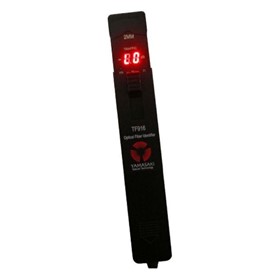
Yamasaki Optical Fibre Identifier | TF916
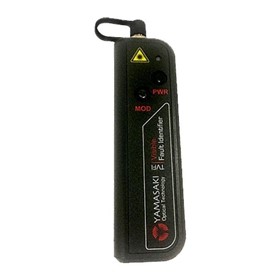
Yamasaki Visible Fault Identifier | TVFI

Oritech is an Optical Fibre Identifier supplier to Melbourne
Oritech has been supplying tools, equipment and related products for over 15 years, servicing clients within electronics manufacturing, original equipment, construction, government & defence, medical, engineering, mining, education and energy. We also widely supply to individuals and hobbyists looking for quality products and great prices. Oritech is a family owned and operated ...

Contractor Essentials is an Optical Fibre Identifier supplier to Melbourne
Contractor Essentials is owned and operated by Macservice Pty Ltd (ABN 43 064 478 842), trading as TMG Test Equipment. Our warehouse is operated out of Clayton South, VIC, Australia and we have staff based full-time in Victoria, New South Wales and Queensland.

- Visual fault locator (VFL): It is a handheld device that emits a visible red laser light to locate breaks, bends, and other faults in the fibre.
- Optical power meter (OPM): It measures the power of the light signal transmitted through the fibre and can be used to identify the location of a break or loss of signal.
- Optical time-domain reflectometer (OTDR): It sends a pulse of light through the fibre and measures the time and intensity of the reflected signal to identify the location and severity of any faults.
- In-line fibre identifier: It is a passive device that can be inserted into the fibre without interrupting the signal flow, and can be used to identify the fibre type, direction of transmission, and signal strength.
- Optical spectrum analyzer (OSA): It measures the spectral characteristics of the light signal transmitted through the fibre and can be used to identify the presence of specific wavelengths or frequencies.
- Compatibility: Ensure that the identifier is compatible with the type of fibre optic cable you are working with.
- Wavelength Range: Check the wavelength range of the identifier to ensure it covers the wavelengths you need to work with.
- Sensitivity: Look for an identifier with high sensitivity to detect low power signals.
- Display: Consider the type of display the identifier has, whether it is digital or analog, and if it is easy to read.
- Battery Life: Check the battery life of the identifier to ensure it can last for the duration of your work.
- Portability: Consider the size and weight of the identifier if you need to carry it around with you.
- Durability: Look for an identifier that is durable and can withstand harsh working conditions.
- Turn off the power to the fibre cable.
- Open the Optical Fibre Identifier and insert the fibre cable into the slot.
- Turn on the power to the fibre cable.
- Look at the display on the Optical Fibre Identifier to see if there is any light being transmitted through the cable.
- If there is light, use the Optical Fibre Identifier to determine the type of light being transmitted.
- If there is no light, check the cable for any damage or breaks.
- Once you have identified the type of light being transmitted, use the Optical Fibre Identifier to determine the direction of the light.
- Follow the light to the end of the cable to determine where it is coming from.
- Clean the device: Use a soft, lint-free cloth to clean the device's exterior and the optical port. Avoid using any harsh chemicals or solvents.
- Check the battery: Ensure that the battery is fully charged or replace it if necessary.
- Calibrate the device: Use a known good fibre to calibrate the device. Connect the fibre to the device and adjust the calibration knob until the device displays the correct signal strength.
- Test the device: Use the device to identify fibres and verify that it is working correctly. If the device is not working correctly, repeat the calibration process.
- Store the device properly: Store the device in a dry, cool place when not in use. Avoid exposing it to extreme temperatures or moisture.
Optical Fibre Identifier Costs and Supplier Insights
Why choose a supplier in Melbourne for Optical Fibre Identifier Quotes?
If you are in Melbourne and considering purchasing an Optical Fibre Identifier, it's worth considering Melbourne-based suppliers. Doing so offers several benefits that are particularly relevant to businesses in the area. Here are the top reasons why opting for a local Melbourne supplier can be the best decision for your Optical Fibre Identifier buying needs.
Supporting Sustainable Optical Fibre Identifier Suppliers in MelbourneSupport local and sustainable Optical Fibre Identifier suppliers. Their commitment to eco-friendly production aligns with responsible corporate practices.
Stay Ahead in Optical Fibre Identifier TechnologyStay ahead in Optical Fibre Identifier technology with the help of local suppliers. They bring the newest advancements directly to your doorstep, keeping you competitive.
Get Your Optical Fibre Identifier FasterReduce waiting times and enhance productivity by buying your Optical Fibre Identifier from Melbourne suppliers. Enjoy the benefits of quick, local deliveries.
Comprehensive Optical Fibre Identifier TrainingReceive comprehensive Optical Fibre Identifier training from experts. Local suppliers offer detailed training programs that enhance your team's skills and product knowledge.
Build Community through Local PurchasesBuild lasting relationships by choosing local Optical Fibre Identifier suppliers in Melbourne. Your business becomes a contributor to the local economy.
Long-Term Service CommitmentRely on a long-term service commitment from Optical Fibre Identifier suppliers. Their proximity allows for excellent support and partnership.
Buy a Optical Fibre Identifier Near Me

 Reach valuable industrial buyers in minutes
 Promote key products & content
 Drive cost effective & measurable sales