
Shrink Film in Brisbane

Join industrial buyers comparing supplier quotes and buying with confidence. Free, quick and easy.




How IndustrySearch works
Tell us what you need
Answer a few quick questions about the equipment you're looking for.
Get personalised quotes
Receive tailored quotes from relevant Australian suppliers.
Compare and choose
Compare quotes, ask questions and choose the best option for you.
 Save time
 Compare quotes
 Buy with confidence
Save time, compare quotes & buy with confidence
Shrink Film & Packaging Film Suppliers in Brisbane
Australian Wrapping Company is an Shrink Film supplier to Brisbane, Melbourne, Sydney
Australian Wrapping Company specialise in the supply of packaging systems to a broad range of industry. These include Shrink Wrapping, Pallet Stretch Wrapping & Flow Wrapping Equipment. We also stock a large variety of packaging films for different applications. Polyolefin, PVC & Polyethelyne Shrink Films are kept in a large variety of widths & thicknesses. In house slitting ...
Packaging Films | Heatshrink Shrink Film

Shrink Packaging Films - Bollore

Bolphane BFP | Shrink Packaging Films

BOLLORE - BY Shrink Packaging Film

P.E. Bundle Wrap Shrink Packaging Films

Polypropylene Packaging Film | BOPP Films

Big Red Packaging is an Shrink Film supplier to All
Big Red Packaging has been Australia’s leading supplier for top quality packaging materials since 2006. What began as a home-based business has flourished into one of Australia's leading authorities in the moving supplies trade. Thanks to its healthy marketing presence, the company has expanded its market base in diversifying its packaging supplies and services into some specialist ...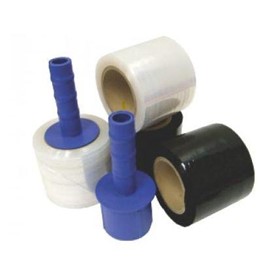

- One of the most common uses for shrink film is in food packaging, where it can be used to wrap meat, poultry, and other perishable items. It is also used in the packaging of electronics, toys, and other consumer goods, as well as in industrial applications such as the packaging of automotive parts.
- Shrink film is often used in conjunction with a heat sealer or shrink tunnel to apply heat to the film and cause it to shrink tightly around the product. This creates a secure, tamper-proof seal that helps to protect the product from damage and contamination during transport and storage.
- Polyolefin Shrink Film: This is the most popular type of shrink film and is made from a blend of polyethylene and polypropylene. It is known for its high clarity, durability, and ability to shrink evenly without creating wrinkles or air pockets.
- PVC Shrink Film: This type of shrink film is made from polyvinyl chloride and is known for its excellent shrink properties, low cost, and ability to be printed on.
- PETG Shrink Film: This is a type of polyester film that is known for its high shrinkage rate, clarity, and resistance to tearing. It is often used for packaging products with irregular shapes or sharp edges.
- PLA Shrink Film: This type of shrink film is made from plant-based materials and is biodegradable and compostable. It is an eco-friendly alternative to traditional shrink films, but it is not as strong or durable and has a lower shrink rate.
- Polyamide Shrink Film: This is a high-performance shrink film that is known for its superior strength, elasticity, and puncture resistance. It is often used for packaging heavy or sharp-edged products.
- Material: Shrink films can be made from various materials such as polyethylene, polyolefin, PVC, and PET. Each material has its own characteristics, such as clarity, strength, and flexibility, and is suitable for different applications.
- Thickness: The thickness of the shrink film determines its strength and durability. Generally, thicker films are better for heavier or more fragile products, while thinner films are suitable for lighter products.
- Shrink ratio: The shrink ratio refers to the percentage of shrinkage that occurs when heat is applied to the film. A higher shrink ratio means that the film will shrink more, providing a tighter seal around the product.
- Clarity: The clarity of the film is important if you want your product to be visible through the packaging. Some films have a higher level of clarity than others, which can affect the appearance of the product.
- Environmental impact: If sustainability is a concern, it is important to consider the environmental impact of the shrink film. Some films are biodegradable or made from recycled materials, which can be a more eco-friendly option.
- Cost: The cost of the shrink film is also an important factor to consider. It is important to balance the cost of the film with its quality and suitability for the product.
- Measure the dimensions of your product: You need to know the length, width, and height of your product to determine the size of the shrink film you need. Measure the largest dimensions to ensure that the shrink film will fit properly.
- Add a margin: It is always better to add a margin to the dimensions of your product to ensure that the shrink film will cover it completely. A margin of 10-15% is usually sufficient.
- Choose the right thickness: The thickness of shrink film is measured in mils. The thicker the film, the stronger it is. Choose a thickness that is appropriate for your product, depending on its weight and fragility.
- Consider the type of shrink film: There are different types of shrink film, such as PVC, polyolefin, and polyethylene. Each type has its own properties and strengths, so choose the one that is best suited for your product.
- To use shrink film, you will need a few pieces of equipment:
- Shrink wrap machine: This machine applies heat to the shrink film to make it shrink and conform to the product being packaged. There are several types of machines available, including tabletop models and larger industrial machines.
- Shrink film: This is the material that will be wrapped around the product. It comes in various sizes and thicknesses, depending on the application.
- Heat gun: If you don't have a shrink wrap machine, you can use a heat gun to shrink the film. A heat gun blows hot air onto the film, causing it to shrink and form around the product.
- Sealer: Before shrinking the film, you will need to seal the edges of the film together. This can be done with a sealer or a heat sealer machine.
- Firstly, shrink film is made from petroleum-based materials, which are non-renewable and contribute to carbon emissions during production. Additionally, the process of manufacturing shrink film requires large amounts of energy and water, which can further impact the environment.
- Secondly, shrink film is not easily recyclable. The film is often contaminated with food, oils, or other substances, which makes it difficult to separate and recycle. Furthermore, even if the shrink film is clean, it is not accepted at many recycling facilities due to its thickness and composition.
- Lastly, when shrink film is discarded, it can take hundreds of years to decompose, leading to long-term environmental impacts.
- Material: PVC is a thermoplastic polymer, while polyolefin is a type of polymer made from olefin monomers.
- Clarity: PVC shrink film is usually clearer than polyolefin shrink film, making it a popular choice for retail packaging where the product needs to be visible.
- Shrinkage: PVC film shrinks faster and at a lower temperature than polyolefin film, which makes it more efficient for high-speed packaging operations.
- Strength: Polyolefin film is stronger and more durable than PVC film, making it a better choice for wrapping irregularly shaped objects or heavy items.
- Environmental impact: PVC is not environmentally friendly as it contains harmful chemicals, whereas polyolefin is more eco-friendly and can be recycled.
- Wear protective gloves: When handling shrink film, it's a good idea to wear protective gloves to protect your hands from cuts and chemical exposure.
- Use proper ventilation: Shrink film emits fumes when heated, so it's important to use proper ventilation to avoid inhaling them. If you're using a heat gun or heat tunnel to shrink the film, work in a well-ventilated area or use an exhaust fan or hood.
- Avoid overheating: Overheating shrink film can cause it to melt or catch fire, so it's important to use the proper temperature settings when applying heat. Follow the manufacturer's instructions for the heat gun or heat tunnel you are using and test a small area of the film before applying heat to the entire package.
- Keep away from children: Shrink film should be kept out of reach of children, as it can be a choking hazard if swallowed.
Shrink Film Costs and Supplier Insights
If you are looking to buy a Shrink Film for sale, suppliers on IndustrySearch include Australian Wrapping Company
Why choose a supplier in Brisbane for Shrink Film Quotes?
If you are in Brisbane and considering purchasing a Shrink Film, it's worth considering Brisbane-based suppliers. Doing so offers several benefits that are particularly relevant to businesses in the area. Here are the top reasons why opting for a local Brisbane supplier can be the best decision for your Shrink Film buying needs.
Comprehensive Shrink Film TrainingReceive comprehensive Shrink Film training from experts. Local suppliers offer detailed training programs that enhance your team's skills and product knowledge.
Budget with Local Shrink Film SuppliersStreamline your budget by choosing local Shrink Film suppliers. Efficient logistics and reduced overheads lead to cost-effective purchasing.
Custom Solutions from Brisbane SuppliersGet Shrink Film solutions that meet your exact needs from local suppliers. Tailor-made products ensure maximum efficiency and satisfaction.
Create Local PartnershipsCreate valuable local partnerships with Shrink Film suppliers in Brisbane. These collaborations can lead to shared growth and success.
Secure Your Inventory with Local SuppliersSecure your Shrink Film inventory by partnering with local suppliers in Brisbane. Reduce the likelihood of stock shortages and logistical issues.
Lower Carbon EmissionsContribute to lower carbon emissions by buying a Shrink Film from Brisbane. Shorter supply routes mean significantly reduced environmental impact.
Buy a Shrink Film Near Me
Shrink Film Articles & Reviews
-
![]() Sponsor article
Shrink Film: A Pratical Guide for Beginners
Read article
-
![]() Sponsor article
Preserving Freshness: The Superiority of Polyolefin Shrink Film for Cucumber Packaging
Read article
-
![]() Sponsor article
All About PVC Shrink Film: Advantages, Applications, and Choosing the Packaging Machine
Read article
-
![]() Sponsor article
All About Polyolefin Shrink Film: Advantages, Applications, and Choosing the Packaging Machine
Read article



 Reach valuable industrial buyers in minutes
 Promote key products & content
 Drive cost effective & measurable sales