
Signal Conditioner in Adelaide

Join industrial buyers comparing supplier quotes and buying with confidence. Free, quick and easy.








How IndustrySearch works
Tell us what you need
Answer a few quick questions about the equipment you're looking for.
Get personalised quotes
Receive tailored quotes from relevant Australian suppliers.
Compare and choose
Compare quotes, ask questions and choose the best option for you.
 Save time
 Compare quotes
 Buy with confidence
Save time, compare quotes & buy with confidence
Signal Conditioner & Signal Conditioning Suppliers in Adelaide
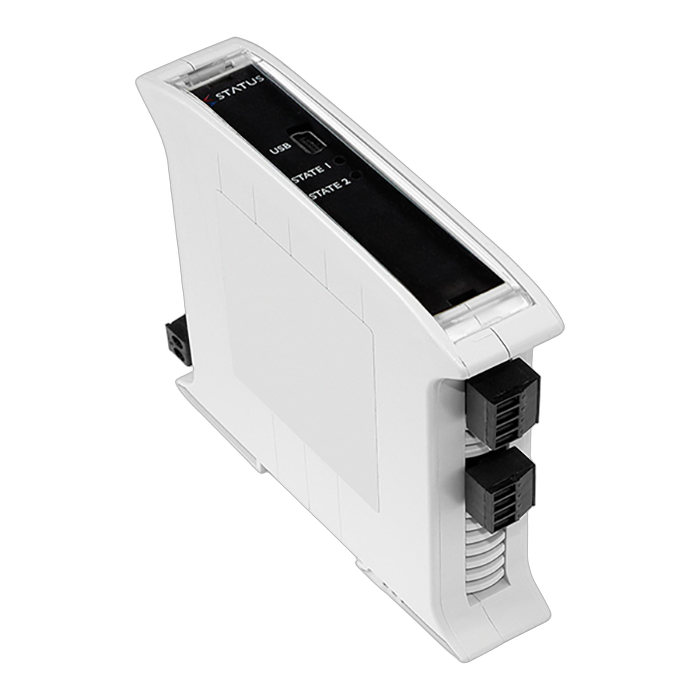
ESIS is an Signal Conditioner supplier to All
Esis is an expert industrial electronic equipment supplier, based in Sydney, Australia since 1971. Need to spec or purchase industrial technology? Our engineers give you expert advice to find the best solution for your requirements. We have a deep knowledge across a huge range of products well and we're familiar with diverse industry applications. After purchase you can ...Customers: NBN Co, ASC, Saab, Wormald, Datacom, Powerlink, Source Energy, Dept of Defence, L&H, MMEM
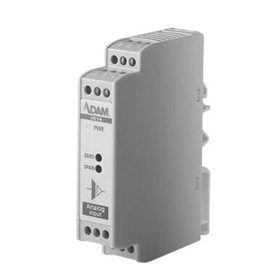
A&D Weighing & Inspection Specialists is an Signal Conditioner supplier to Adelaide
A&D Weighing is one of Australia's reputable and reliable producers of weighing inspection systems, laboratory balances and weighing equipment such as wet area scales and counting scales, for clients in various sectors such as education, food and beverage, health, mining, manufacturing and government. A&D Weighing also designs high quality and finely calibrated scales, commercial ...Customers: Australia Post, Bakers Delight, SGS, Costa Group
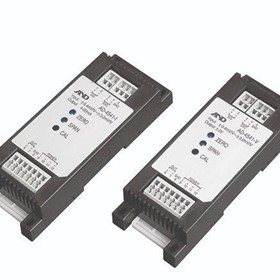
Instrotech Australia is an Signal Conditioner supplier to Adelaide
Calibrators, digital indicators, signal conditioners and weighing equipment - Instrotech make panel meters, loop isolators, transmitters, acoustic steam leak detection systems, hand-held calibrators, tank level systems, head mount transmitters, motorsport rally timers, and weight amplifiers. Our equipment is used for temperature, pressure, level, flow and load applications, ...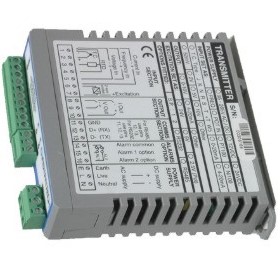

Kelba is an Signal Conditioner supplier to All
KELBA is a 100% Australian owned and operated company, building and supplying quality load cells, mounting accessories and weighing equipment for use in industry both in Australia and Internationally. Our components are used under tanks, silo’s, mining applications, conveyors, weighbridges and most engineering applications, where proven weighing reliability and accuracy is ...


- Amplifiers: These are used to amplify the signal strength, and they come in different types, such as voltage, current, and power amplifiers.
- Filters: These are used to remove unwanted signals or noise from the input signal. They come in different types, such as low-pass, high-pass, band-pass, and notch filters.
- Isolators: These are used to isolate the input signal from the output signal, to prevent any interference or noise.
- Converters: These are used to convert one type of signal to another. For example, an analog-to-digital converter (ADC) is used to convert an analog signal to a digital signal.
- Transmitters: These are used to convert an electrical signal into a signal that can be transmitted over a distance. For example, a current loop transmitter converts an electrical signal into a current signal that can be transmitted over a long distance.
- Signal conditioners for specific applications: There are also signal conditioners available for specific applications, such as temperature, pressure, and vibration signal conditioners.
- Input type: The signal conditioner should be compatible with the type of input signal you are working with, such as voltage, current, temperature, pressure, or strain.
- Accuracy: The signal conditioner should provide accurate and reliable measurements of the input signal, with minimal noise or distortion.
- Range: The signal conditioner should have a wide enough input range to accommodate the full range of the input signal, while also providing the necessary resolution and sensitivity.
- Filtering: The signal conditioner should have filtering capabilities to remove unwanted noise or interference from the input signal.
- Output type: The signal conditioner should provide the appropriate output type for your application, such as voltage, current, or digital signals.
- Power supply: The signal conditioner should have a reliable and stable power supply, with options for AC or DC power.
- Mounting and installation: The signal conditioner should be easy to install and mount, with options for DIN rail or panel mounting.
- Durability and reliability: The signal conditioner should be built to withstand harsh environments and provide long-term reliability, with features like rugged enclosures and protective coatings.
- The reliability of signal conditioners largely depends on the quality of their design, construction, and components. High-quality signal conditioners that are built with durable materials and reliable components can last for many years without any issues.
- The lifespan of a signal conditioner also depends on how it is used and maintained. Signal conditioners that are used in harsh environments or exposed to extreme temperatures, moisture, or vibrations may have a shorter lifespan than those used in controlled environments. Regular maintenance and calibration can also help prolong the lifespan of a signal conditioner and ensure optimal performance.
- Install the signal conditioner: The installation process may involve mounting the signal conditioner on a DIN rail or a panel, connecting wires to the input and output terminals, and powering it up. It is crucial to follow the manufacturer's instructions carefully to avoid damaging the signal conditioner or other equipment.
- Configure the signal conditioner: Once the signal conditioner is installed, you may need to configure it to match your specific application's needs. This may involve setting the gain, offset, filter, or other parameters using dip switches, potentiometers, or software.
- Test the signal conditioner: After installation and configuration, you should test the signal conditioner to ensure it is working correctly. You can use a signal generator or a sensor simulator to generate a known signal input and observe the output signal's quality and stability.
- Calibrate the signal conditioner: Finally, you may need to calibrate the signal conditioner periodically to maintain its accuracy and reliability. This may involve adjusting the gain or offset using a calibration source or a reference signal.
Signal Conditioner Costs and Supplier Insights
If you are looking to buy a Signal Conditioner for sale, suppliers on IndustrySearch include ESIS, Instrotech Australia, A&D Weighing & Inspection Specialists
Why choose a supplier in Adelaide for Signal Conditioner Quotes?
If you are in Adelaide and considering purchasing a Signal Conditioner, it's worth considering Adelaide-based suppliers. Doing so offers several benefits that are particularly relevant to businesses in the area. Here are the top reasons why opting for a local Adelaide supplier can be the best decision for your Signal Conditioner buying needs.
Local Suppliers are the Key to Supply Chain StrengthMake local Signal Conditioner suppliers in Adelaide key your supply chain strength. Depend on them for quick replenishments and steady supplies.
Local Expertise for Signal Conditioner RepairsUtilise local expertise for Signal Conditioner repairs in Adelaide. Expert technicians nearby mean less downtime and better maintenance.
Economical Purchasing in AdelaideMake economical decisions by purchasing your Signal Conditioner from Adelaide. Save on transport and import duties, reducing overall procurement costs.
Immediate Signal Conditioner Availability in AdelaideBenefit from immediate Signal Conditioner availability when you choose suppliers in Adelaide. Quick access to equipment prevents project delays.
Partner with Adelaide Suppliers for ComplianceChoose local suppliers as your compliance partners. Their expertise ensures that all products meet local regulations, giving you peace of mind.
Build Community through Local PurchasesBuild lasting relationships by choosing local Signal Conditioner suppliers in Adelaide. Your business becomes a contributor to the local economy.
Buy a Signal Conditioner Near Me

 Reach valuable industrial buyers in minutes
 Promote key products & content
 Drive cost effective & measurable sales