
Speed Sensor in Sydney

Join industrial buyers comparing supplier quotes and buying with confidence. Free, quick and easy.

How IndustrySearch works
Tell us what you need
Answer a few quick questions about the equipment you're looking for.
Get personalised quotes
Receive tailored quotes from relevant Australian suppliers.
Compare and choose
Compare quotes, ask questions and choose the best option for you.
 Save time
 Compare quotes
 Buy with confidence
Save time, compare quotes & buy with confidence
Speed Sensor Suppliers in Sydney

SRO Technology is an Speed Sensor supplier to All
SRO Technology has been engineering, manufacturing and servicing Australia’s core service industries since 1988. Our mission is to help businesses like yours to make better decisions when it comes to their precision weighing and measurement operations. We specialise in technology-driven products and services which precisely measure and handle bulk materials. Over the past 35 ...Customers: Oil & Gas, Mining & Resources, Water Treatment, Food & Beverage, Manufacturing, Waste

Conveyor Belt Weigher 61-12 Speed Sensor | Ramsey Series 30

Conveyor Belt Weigher 61-12N Belt Speed Sensor | Ramsey IDEA
Industrial Measurement Solutions is an Speed Sensor supplier to Sydney
IMS specialises in the supply, training and support of measuring systems in 3 main areas: 3D Measurement in Industry, GPS systems and metrology. IMS have Metrology Systems suitable for measurements of objects ranging in size from a few centimetres to 100 meters or more with accuracy down to a few microns. IMS's principal partners in this area are Leica Geosystem's AG ...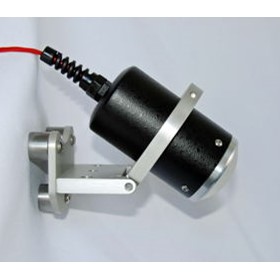

Advanced Navigation is an Speed Sensor supplier to Sydney
ADVANCED NAVIGATION develops industry-leading navigation systems and robotics technologies for air, land, sea, and space applications. Our mission is to drive the autonomy revolution with AI-powered systems delivering unparalleled capabilities and performance.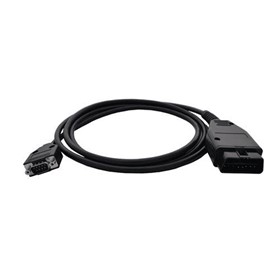

- Check Engine Light: If the check engine light comes on, it could indicate a problem with the speed sensor.
- Erratic Speedometer: If the speedometer needle jumps around or gives inaccurate readings, it could be a sign of a faulty speed sensor.
- Transmission Problems: If the transmission is shifting erratically or slipping, it may be due to a malfunctioning speed sensor.
- ABS Light: If the ABS light comes on, it could be a sign of a faulty speed sensor.
- Cruise Control Issues: If the cruise control is not working correctly, it could be due to a malfunctioning speed sensor.
- Magnetic speed sensors: These sensors use a magnetic field to detect the speed of a moving object. They are commonly used in automotive applications, such as speedometers and odometers.
- Optical speed sensors: These sensors use a light source and a photodetector to detect the speed of a moving object. They are commonly used in industrial applications, such as conveyor belts and production lines.
- Ultrasonic speed sensors: These sensors use ultrasonic waves to measure the speed of a moving object. They are commonly used in automotive and industrial applications, such as flow meters and speedometers.
- Hall effect speed sensors: These sensors use a magnetic field to detect changes in the magnetic field caused by a moving object. They are commonly used in automotive and industrial applications, such as speedometers and tachometers.
- Radar speed sensors: These sensors use radar waves to detect the speed of a moving object. They are commonly used in traffic enforcement and speed monitoring applications.
- Type of sensor: There are different types of speed sensors, including magnetic, optical, and hall effect sensors. Each type has its own advantages and disadvantages.
- Accuracy: The accuracy of the speed sensor is a crucial factor. It is important to choose a sensor that can provide accurate results.
- Range: The range of the speed sensor refers to the maximum and minimum speeds it can measure. It is important to choose a sensor that can cover the required range.
- Output signal: The output signal of the speed sensor can be analog or digital. It is important to choose a sensor that is compatible with the system it will be used in.
- Environmental conditions: The environmental conditions, such as temperature, humidity, and vibration, can affect the performance of the speed sensor. It is important to choose a sensor that can operate in the required conditions.
- Cost: The cost of the speed sensor is an important factor to consider. It is important to choose a sensor that provides good value for money.
- Installing a speed sensor can be a simple task if you have some basic mechanical skills and knowledge. However, if you are not confident in your abilities, it is recommended to seek the help of a professional mechanic.
- To install a speed sensor, you will need to:
- Locate the speed sensor on your vehicle. This can usually be found on the transmission or on the wheel hub.
- Remove any bolts or screws that are holding the speed sensor in place. Depending on the location of the sensor, you may need to remove other components to access it.
- Carefully remove the old sensor from its location. Be sure to keep track of any washers or gaskets that may be present.
- Install the new speed sensor in the same location as the old sensor. Make sure it is securely in place.
- Reattach any bolts or screws that were removed during the installation process.
- Test the new speed sensor to ensure that it is working properly.
- Check the wiring: Make sure the wiring is properly connected to the sensor and that there are no loose or damaged wires.
- Clean the sensor: Dirt and debris can accumulate on the sensor, causing it to malfunction. Clean the sensor with a soft cloth and some rubbing alcohol.
- Check the sensor for damage: Look for any signs of physical damage to the sensor, such as cracks or dents. If the sensor is damaged, it will need to be replaced.
- Check the signal output: Use a multimeter to check the signal output from the sensor. If the signal is weak or nonexistent, the sensor may be faulty.
- Test the sensor with a magnet: Some speed sensors are magnetic sensors that require a magnet to function. Place a magnet near the sensor and see if it registers a signal.
Speed Sensor Costs and Supplier Insights
If you are looking to buy a Speed Sensor for sale, suppliers on IndustrySearch include SRO Technology
Why choose a supplier in Sydney for Speed Sensor Quotes?
If you are in Sydney and considering purchasing a Speed Sensor, it's worth considering Sydney-based suppliers. Doing so offers several benefits that are particularly relevant to businesses in the area. Here are the top reasons why opting for a local Sydney supplier can be the best decision for your Speed Sensor buying needs.
Fast-Track Your Speed Sensor NeedsFast-track your business needs with quick Speed Sensor sourcing from Sydney. Reduce the wait and get what you need, when you need it.
Reliable Speed Sensor Supply from SydneyEnsure a reliable Speed Sensor supply from Sydney. Local suppliers provide consistent, dependable delivery schedules.
Investing in Sydney with Every Speed Sensor PurchaseEach purchase of a Speed Sensor from a supplier in Sydney is an investment in its future. Help cultivate a thriving local business landscape.
Superior Standards with Sydney ExpertiseBenefit from superior Speed Sensor standards provided by Sydney suppliers. Their expertise ensures products are built to last and perform exceptionally.
Relationships with Sydney Speed Sensor SuppliersBuild strong business relationships with Speed Sensor suppliers. Local interactions promote trust and collaborative opportunities.
Stay Ahead in Speed Sensor TechnologyStay ahead in Speed Sensor technology with the help of local suppliers. They bring the newest advancements directly to your doorstep, keeping you competitive.
Buy a Speed Sensor Near Me

 Reach valuable industrial buyers in minutes
 Promote key products & content
 Drive cost effective & measurable sales