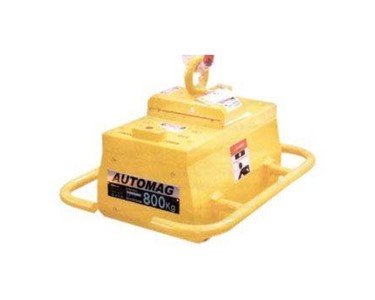
EASYLIFT - Automag Lifting Magnets
| Model No | Width mm | Length mm | Weight kg | Capacity kg | test Load 3:1 min |
|---|---|---|---|---|---|
| KPL-31A | 243 | 262 | 76 | 300 | |
| KPL-50A | 243 | 420 | 120 | 500 | " |
| KPL-70A | 304 | 438 | 210 | 700 | " |
| KPL-80A | 800 | " | |||
| KPL-110A | 354 | 583 | 310 | 1,100 | " |
| KPL-250A | 413 | 629 | 475 | 2,500 | " |
| KPL-400A | 668 | 583 | 610 | 4,000 | " |
| KPL-500A | 776 | 641 | 930 | 5,000 | " |
Four Stages of Operation Cycle
AUTOMAG is designed to hold, transport and release a work-piece. Referring to the illustrations below, the magnet is placed on a work-piece with the magnetism "off" (Stage I), magnetism is turned "on" (Stage II), it holds, transports with the magnetism "on" (Stage III), and then the magnetism is turned "off" and the work-piece is released (Stage IV).
(Stage I) AUTOMAG is placed on a work-piece with the piston latch locked. (only for the first operation after being idle) Outward magnetism remains "off"
(Stage II) The piston latch is unlocked. (Manual operation is required only for unlocking the latch at the beginning and locking the latch at the end of operation.)
As AUTOMAG is raised, it turns on the magnetic force and the work-piece is adhered and lifted. Outward magnetism stays "on" .
(Stage III) The work-piece is transported to it's destination. Outward magnetism stays "on".
(Stage IV) AUTOMAG is lifted up, turning off the magnetic force and releasing the work-piece for next operation. When AUTOMAG is placed on the next work-piece the piston must be completely lowered to the bottom. The magnetism stays "off".
Preparation - Checking the characters of work-piece
Before operating AUTOMAG the weight, shape, material, surface roughness and the thickness of the work-piece need to be checked to determine the capacity level of AUTOMAG.
- Adhesive force varies depending upon the material of work-piece. Such alloy as stainless steel 304 can not be adhered at all.
- One liter of steel weighs about 7.85kg. In case the thickness of work-piece is thinner than 20mm the thinner the plate is the less adhesive force is generated.
- The rougher the surface of work-piece is the less weight can be adhered.
- The more air gap exists between AUTOMAG and work-piece the less adhesive force is.
Inspection and Repair
Weekly inspection - The entire unit including nameplate, eyehook, exterior body and bolts needs to be checked. In case any cracks, deformity or other defect is found, repair work is needed.
Annual inspection - Each and every year the lifting capacity of AUTOMAG must be checked by manufacturer or authorized testing agent.
AUTOMAG - Automatic On/Off
Conventional permanent lifting magnets are turned on and shut off either by manually or by electric power. For AUTOMAG, neither is required. AUTOMAG turns on and shuts off automatically. The on-off system of AUTOMAG is actuated by the mechanism of transmitting vertical gravity energy into rotating energy. Linear energy generated by the mass of AUTOMAG turns a gear and switch shaft to slowly turn magnetic force, a fraction of which holds work-piece. Subsequently the mass of AUTOMAG and partial mass of the work-piece generates more vertical energy to turn on the gear to 180 degrees and thus fully turn on the magnetic force. After the work-piece is placed on the ground, the rectangular piston is retracted into the AUTOMAG body with the magnetic force intact. When AUTOMAG is raised for the next lifting operation the procedure is reversed, turning off the magnetic force. That is, partially raised piston turns off magnetic force partially and the inertia kicks the gear and switch shaft to the original position of the complete shut-off force by rotating 180 degrees clockwise. Simultaneously, AUTOMAG is released from the work-piece.
Maintenance - Storage
- After AUTOMAG is used, the bottom of poles needs to be cleaned with wash clothes.
- It has to be stored on clean paper or plastic sheet not to attract any dirt or irregulars.
- If it is not used for some time, the bottom of pole has to be applied with preservative oil to prevent rusting and the unit needs to be covered with cloth or vinyl sheet.
- In order to prevent possible damage to the magnetism of AUTOMAG, it has to be stored in distance from any electric device that generates forceful magnetism.
- AUTOMAG must not be disassembled at any situation, as disassembling could cause significant loss of magnetic force.
AUTOMAG - Operational Instruction
When AUTOMAG is operated the operator is expected to follow the general operation instruction for permanent lifting magnets such as the check-up of device and work-piece, operational procedures, safety tips, storage, maintenance and repair process.
The on-off switch Gear Box of AUTOMAG is latched when it is idle, while the manually operated switch handle of conventional lifting magnets is latched at on-position. Therefore, AUTOMAG operator is expected to attend to following supplemental operation instruction.
- AUTOMAG needs to be placed on non-ferrous flat when it is idle. The on-off state of magnetism can be detected by observing the signal stick. Remember that the magnetism of AUTOMAG could be left on when the Gear Box is lowered down.
- When AUTOMAG is not in use, the Gear Box must be kept latched in order to prevent AUTOMAG with magnetism on.
- As the automatic on-off system of AUTOMAG is regulated only when the Gear Box is elevated to top-end alternatively, it is not necessary to lift up the work-piece together for the purpose of adjusting the on-off position of magnetic force.
- In case the operator can approach the AUTOMAG on work-piece for initial operation, he could unlatch the Gear Box after it is placed on the proper spot of work-piece.
On the other hand, in case the operator is compelled not to approach AUTOMAG after it is placed on work-piece, the Gear Box must be unlatched before AUTOMAG is transported to work-piece. In this case magnetic force must be shut off first by having the Gear Box (Rear Gear) elevated to top-end and lifting AUTOMAG up.
Afterward AUTOMAG can be placed on the proper spot of work-piece to get ready for initial operation.
"EASYLIFT" AUTOMAG MODELS
| EL | DIMENSION (mm) | Weight (Kg) | Minimum Actual Adhesive Force (Kg) | Optimal Capacity (Kg) | ||||
| Width (W) | Length (L) | Height | ||||||
| Body (H2) | W/Gear Box (H1) | Gear Box lifted (H) | ||||||
| KPL30A | 243 | 262 | 213 | 349 | 436 | 76 | 1000 | 300 |
| KPL50A | 243 | 420 | 213 | 349 | 436 | 120 | 2000 | 500 |
| KPL70A | 304 | 438 | 288 | 449 | 566 | 210 | 3000 | 700 |
| KPL80A | 800 | |||||||
| KPL110A | 354 | 583 | 288 | 471 | 588 | 320 | 5000 | 1100 |
| KPL170A | 1700 | |||||||
| KPL250A | 413 | 629 | 331 | 516 | 654 | 475 | 7500 | 2500 |
| KPL400A | 668 | 583 | 288 | 521 | 638 | 610 | 10000 | 4000 |
| KPL500A | 776 | 641 | 331 | 605 | 744 | 930 | 15000 | 5000 |
To contact Active Lifting Equipment about EASYLIFT - Automag Lifting Magnets use Get a quote.
- Your delivery location?
- NSW
- VIC
- QLD
- SA
- WA
- NT
- ACT
- TAS
- New Zealand
- Papua New Guinea
- Afghanistan
- Albania
- Algeria
- Andorra
- Angola
- Antigua and Barbuda
- Argentina
- Armenia
- Austria
- Azerbaijan
- Bahamas
- Bahrain
- Bangladesh
- Barbados
- Belarus
- Belgium
- Belize
- Benin
- Bhutan
- Bolivia
- Bosnia and Herzegovina
- Botswana
- Brazil
- Brunei
- Bulgaria
- Burkina Faso
- Burma
- Burundi
- Cabo Verde
- Cambodia
- Cameroon
- Canada
- Central African Republic
- Chad
- Chile
- China
- Colombia
- Comoros
- Congo (Brazzaville)
- Congo (Kinshasa)
- Costa Rica
- Côte d'Ivoire
- Croatia
- Cuba
- Cyprus
- Czechia
- Denmark
- Djibouti
- Dominica
- Dominican Republic
- Ecuador
- Egypt
- El Salvador
- Equatorial Guinea
- Eritrea
- Estonia
- Ethiopia
- Fiji
- Finland
- France
- Gabon
- Gambia
- Georgia
- Germany
- Ghana
- Greece
- Grenada
- Guatemala
- Guinea
- Guinea-Bissau
- Guyana
- Haiti
- Holy See
- Honduras
- Hungary
- Iceland
- India
- Indonesia
- Iran
- Iraq
- Ireland
- Israel
- Italy
- Jamaica
- Japan
- Jordan
- Kazakhstan
- Kenya
- Kiribati
- Korea, North
- Korea, South
- Kosovo
- Kuwait
- Kyrgyzstan
- Laos
- Latvia
- Lebanon
- Lesotho
- Liberia
- Libya
- Liechtenstein
- Lithuania
- Luxembourg
- Macedonia
- Madagascar
- Malawi
- Malaysia
- Maldives
- Mali
- Malta
- Marshall Islands
- Mauritania
- Mauritius
- Mexico
- Federated States of Micronesia
- Moldova
- Monaco
- Mongolia
- Montenegro
- Morocco
- Mozambique
- Namibia
- Nauru
- Nepal
- Netherlands
- New Zealand
- Nicaragua
- Niger
- Nigeria
- Norway
- Oman
- Pakistan
- Palau
- Panama
- Papua New Guinea
- Paraguay
- Peru
- Philippines
- Poland
- Portugal
- Qatar
- Romania
- Russia
- Rwanda
- Saint Kitts and Nevis
- Saint Lucia
- Saint Vincent and the Grenadines
- Samoa
- San Marino
- Sao Tome and Principe
- Saudi Arabia
- Senegal
- Serbia
- Seychelles
- Sierra Leone
- Singapore
- Slovakia
- Slovenia
- Solomon Islands
- Somalia
- South Africa
- South Sudan
- Spain
- Sri Lanka
- Sudan
- Suriname
- Swaziland
- Sweden
- Switzerland
- Syria
- Taiwan
- Tajikistan
- Tanzania
- Thailand
- Timor-Leste
- Togo
- Tonga
- Trinidad and Tobago
- Tunisia
- Turkey
- Turkmenistan
- Tuvalu
- Uganda
- Ukraine
- United Arab Emirates
- United Kingdom
- United States
- Uruguay
- Uzbekistan
- Vanuatu
- Venezuela
- Vietnam
- Yemen
- Zambia
- Zimbabwe
Crane Cage | WP-NC2R
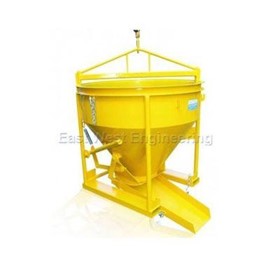
Concrete Kibble | CKM
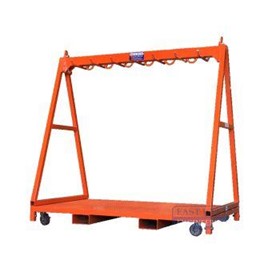
Rigging Storage Rack | CNG100
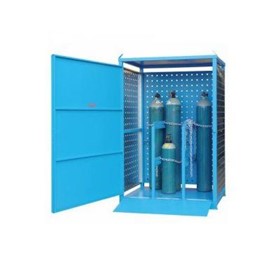
Gas Cylinder Storage | Single Sided Access - Large
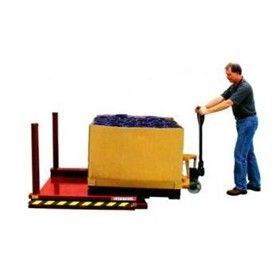
Scissor Lift Trolley | LoLift
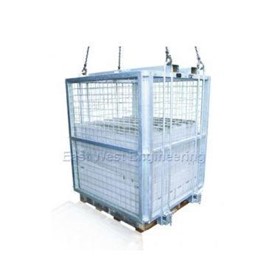
Pallet Cage | BSN-6
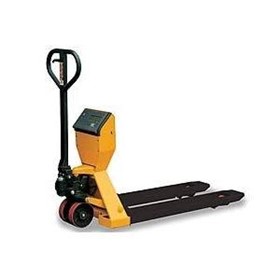
Scale Pallet Truck
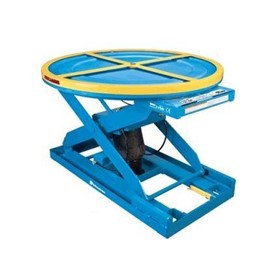
Automatic Pallet Positioner | EZ Loader ®
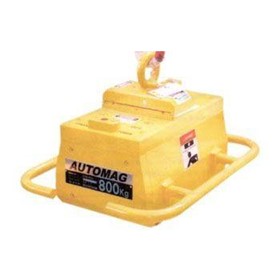
EASYLIFT - Automag Lifting Magnets
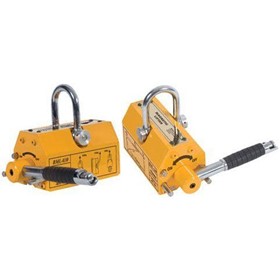
Lifting Magnets | Capacity 100kg to 2 tonne
Mechanical Vacuum Sheet Lifters
Stretch Wrapping Machine | The Lo-Wrapper
Pallet Cage PCTH-04
Crane Cage (6 person) WP-NC2R
Hi Lift Pallet Truck
Scissor Lift Tables - Doubles
CKM Concrete Kibbles
Automatic Pallet Positioner | EZ Loader ®
Electric Wire Rope Hoists
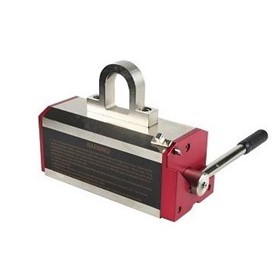
RED-I-LIFT Magnet Lifters
Manual Hand Lifters Switchable Lifting Magnets
Pro-Lift Lifting Magnets
Switchable Extenda-Lift Lifting Magnet
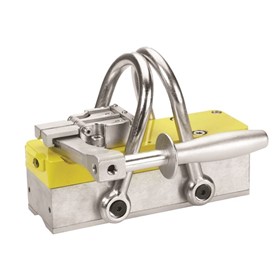
MLAY600 Heavy Lifting Magnets Switchable On/Off
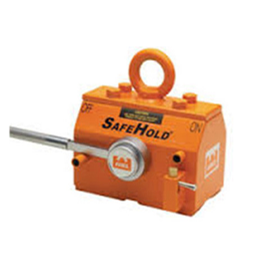
Lifting Magnet
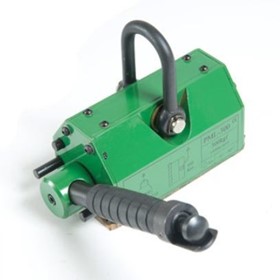
Pacific Lifting Magnet
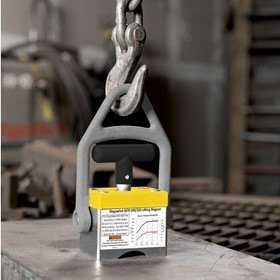
Switchable MLAY1000 Heavy Lifting Magnet | 8100088
Mag Dolly Steel Shift Lifter Switchable Lifting Magnet
Switchable 60-M Manual Lifting Magnet | 8100359
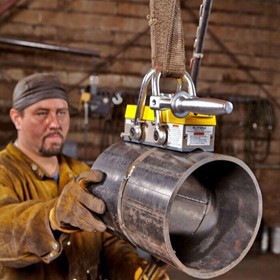
Switchable MLAY600X4 Heavy Lifting Magnet | 8100364
MLAY600X2 Heavy Lifting Magnet ON/OFF Switchable
MLAY1000X4 Heavy Lifting Magnet Switchable ON/OFF
MLAY1000X3 Heavy Lifting Magnet Switchable ON/OFF
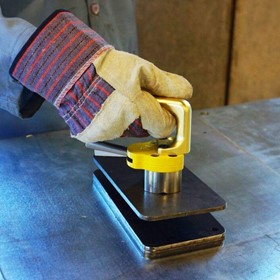
Switchable 235 Fixed Manual Lifting Magnet | 8100794
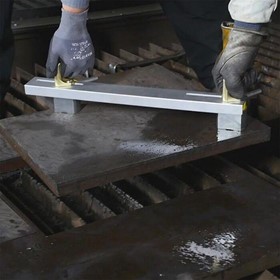
400 Dual Hand Lifting Switchable Magnet
Switchable 400 Fixed Hand Lifting Magnet | 8100810
MLAY1000X2 Heavy Lifting Switchable Magnet | 8100484
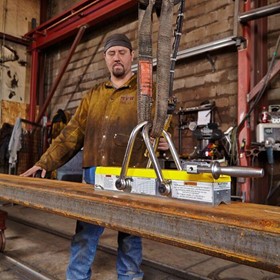
Switchable MLAY1000X6 Heavy Lifting Magnet | 8100482
Thanks for your help!
Sorry! Unable to submit your request at this time. Please try again later.
Report this product