Big Blue Activated Carbon Filter Cartridge ...
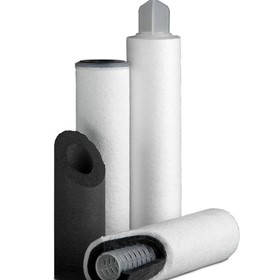
Big Blue Activated Carbon Filter Cartridge 20″x4.5″
20″x4.4″ Big Blue Granular Activated Carbon Acid Rinsed (for higher purity) Coconut Shell based GAC – Ideal for use as a polishing filter, for drinking water or RO Post-filtration (12×40 Mesh GAC).
Description- Big Blue Activated Carbon Filter 20″x4.5″
Big Blue Granular Activated Carbon Filter T33
A filter with granular activated carbon (GAC) is a proven option to remove certain chemicals, particularly organic chemicals, from water. GAC filters also can be used to remove chemicals that give objectionable odours or tastes to water such as hydrogen sulfide (rotten eggs odour) or chlorine.
Granulated Carbon (GAC) has long been utilised to reduce impurities in potable water. It is widely recognised for its adsorption capacity plus its ability to reduce dissolved organics and chemicals such as chlorine. These and other impurities can cause undesirable taste, odour and colour in water. Sediment reduction is down to 5 microns.
-
T28 = Standard Coconut Shell GAC (Granular Activated Carbon) – Ideal for use as RO Prefiltration (20×50 Mesh GAC)
-
T33 = Acid Rinsed (for higher purity) Coconut Shell Coal based GAC – Ideal for use as a polishing filter, for drinking water or RO Post-filtration (12×40 Mesh GAC)
-
T40 = Acid Rinsed (for higher purity) Coconut Shell Coal based GAC – Ideal for use as a polishing filter, for drinking water or RO Post-filtration (12×40 Mesh GAC)
Granulated Carbon (GAC) has long been utilised to reduce impurities in potable water. It is widely recognised for its adsorption capacity plus its ability to reduce dissolved organics and chemicals such as chlorine. These and other impurities can cause undesirable taste, odour and colour in water. All carbon filters remove chlorine, taste and odour and have sediment reduction down to 5 microns.
What Is Activated Carbon?
he primary raw material used for activated carbon is any organic material with a high carbon content (coal, wood, peat, coconut shells). Granular activated carbon media is most commonly produced by grinding the raw material, adding a suitable binder to give it hardness, re-compacting and crushing to the correct size.
The carbon-based material is converted to activated carbon by thermal decomposition in a furnace using a controlled atmosphere and heat. The resultant product has an incredibly large surface area per unit volume, and a network of submicroscopic pores where adsorption takes place.
The walls of the pores provide the surface layer molecules essential for adsorption. Amazingly, one kilogram provides a surface area equivalent to 12 football fields.
How Does Activated Carbon Work?
Physical adsorption is the primary means by which activated carbon works to remove contaminants from water. Carbon’s highly porous nature provides a large surface area for contaminants (adsorbates) to collect. In simple terms, physical adsorption occurs because all molecules exert attractive forces, especially molecules at the surface of a solid (pore walls of carbon), and these surface molecules seek other molecules to adhere to.
The large internal surface area of carbon has many attractive forces that work to attract other molecules. Thus, contaminants in water are adsorbed (or held) to the surface of carbon by surface attractive forces similar to gravitational forces. Adsorption from solution occurs as a result of differences in adsorbate concentration in the solution and in the carbon pores.
The adsorbate migrates from the solution through the pore channels to reach the area where the strongest attractive forces are. With this understanding of how the adsorption process works, we must then understand why it works, or why water contaminants become adsorbates. Water contaminants adsorb because the attraction of the carbon surface for them is stronger than the attractive forces that keep them dissolved in solution.
Those compounds that are more adsorbable onto activated carbon generally have a lower water solubility, are organic (made up of carbon atoms), have a higher molecular weight and a neutral or non-polar chemical nature. It should be pointed out that for water adsorbates to become physically adsorbed onto activated carbon, they must be both dissolved in water and smaller than the size of the carbon pore openings so that they can pass into the carbon pores and accumulate.
Besides physical adsorption, chemical reactions can occur on a carbon surface. One such reaction is chlorine removal from water involving the chemical reaction of chlorine with carbon to form chloride ions. This reaction is important to POU treatment because this conversion of chlorine to chloride is the basis for the removal of some common objectionable tastes and odors from drinking water. Water contaminants adsorb because the attraction of the carbon surface for them is stronger than the attractive forces that keep them dissolved in solution.
To contact Pacific Water Technology about Big Blue Activated Carbon Filter Cartridge 20″x4.5″ use Get a quote.
The Big Blue Activated Carbon Filter Cartridge uses granular activated carbon to adsorb certain dissolved contaminants, including organic chemicals and other impurities. Its acid-rinsed carbon is intended for higher-purity polishing and post-filtration after reverse osmosis, giving buyers a carbon filter for those treatment stages. For drinking-water treatment, it reduces chlorine and can help address unwanted taste and odour.
- 12×40 mesh granular activated carbon
- Sediment reduction down to 5 microns
- Can remove hydrogen sulfide, which causes rotten-egg odour
- Reduces impurities that can affect water colour
Source: listing by Pacific Water Technology on IndustrySearch · Updated 1 Nov 2026
AI Overview is generated by artificial intelligence and may contain mistakes.
Written by AI from the listing by Pacific Water Technology on IndustrySearch. It is meant to use only what that listing says, but it can still get details wrong, so check them with the supplier before you buy.
Thanks for your feedback.
- Your delivery location?
- NSW
- VIC
- QLD
- SA
- WA
- NT
- ACT
- TAS
- New Zealand
- Papua New Guinea
- Afghanistan
- Albania
- Algeria
- Andorra
- Angola
- Antigua and Barbuda
- Argentina
- Armenia
- Austria
- Azerbaijan
- Bahamas
- Bahrain
- Bangladesh
- Barbados
- Belarus
- Belgium
- Belize
- Benin
- Bhutan
- Bolivia
- Bosnia and Herzegovina
- Botswana
- Brazil
- Brunei
- Bulgaria
- Burkina Faso
- Burma
- Burundi
- Cabo Verde
- Cambodia
- Cameroon
- Canada
- Central African Republic
- Chad
- Chile
- China
- Colombia
- Comoros
- Congo (Brazzaville)
- Congo (Kinshasa)
- Costa Rica
- Côte d'Ivoire
- Croatia
- Cuba
- Cyprus
- Czechia
- Denmark
- Djibouti
- Dominica
- Dominican Republic
- Ecuador
- Egypt
- El Salvador
- Equatorial Guinea
- Eritrea
- Estonia
- Ethiopia
- Fiji
- Finland
- France
- Gabon
- Gambia
- Georgia
- Germany
- Ghana
- Greece
- Grenada
- Guatemala
- Guinea
- Guinea-Bissau
- Guyana
- Haiti
- Holy See
- Honduras
- Hungary
- Iceland
- India
- Indonesia
- Iran
- Iraq
- Ireland
- Israel
- Italy
- Jamaica
- Japan
- Jordan
- Kazakhstan
- Kenya
- Kiribati
- Korea, North
- Korea, South
- Kosovo
- Kuwait
- Kyrgyzstan
- Laos
- Latvia
- Lebanon
- Lesotho
- Liberia
- Libya
- Liechtenstein
- Lithuania
- Luxembourg
- Macedonia
- Madagascar
- Malawi
- Malaysia
- Maldives
- Mali
- Malta
- Marshall Islands
- Mauritania
- Mauritius
- Mexico
- Federated States of Micronesia
- Moldova
- Monaco
- Mongolia
- Montenegro
- Morocco
- Mozambique
- Namibia
- Nauru
- Nepal
- Netherlands
- New Zealand
- Nicaragua
- Niger
- Nigeria
- Norway
- Oman
- Pakistan
- Palau
- Panama
- Papua New Guinea
- Paraguay
- Peru
- Philippines
- Poland
- Portugal
- Qatar
- Romania
- Russia
- Rwanda
- Saint Kitts and Nevis
- Saint Lucia
- Saint Vincent and the Grenadines
- Samoa
- San Marino
- Sao Tome and Principe
- Saudi Arabia
- Senegal
- Serbia
- Seychelles
- Sierra Leone
- Singapore
- Slovakia
- Slovenia
- Solomon Islands
- Somalia
- South Africa
- South Sudan
- Spain
- Sri Lanka
- Sudan
- Suriname
- Swaziland
- Sweden
- Switzerland
- Syria
- Taiwan
- Tajikistan
- Tanzania
- Thailand
- Timor-Leste
- Togo
- Tonga
- Trinidad and Tobago
- Tunisia
- Turkey
- Turkmenistan
- Tuvalu
- Uganda
- Ukraine
- United Arab Emirates
- United Kingdom
- United States
- Uruguay
- Uzbekistan
- Vanuatu
- Venezuela
- Vietnam
- Yemen
- Zambia
- Zimbabwe
Light Commercial RO System 800 GPD
Reverse Osmosis Systems - 12000RO - 48000RO GPD
Replacement Filters RO -1 Year Pack - Water Filter Cartridges
Bore, Rain, Well and General Use Water Quality Test Kit (15 Tests)
Reverse Osmosis Water Filters – Alkaline ERS-106A
Solenoid Valves | RO011
Pressure Gauge | RO006a
Handheld ORP Meter | ORP-200
Ball Valve | 1/4″ Tube
Activated Glass Media - AFM
Laboratory Water Purifier Systems - 20/30/40L
Laboratory Purified Water Systems - Smart Q15/Q30
Iron Removal Filter - MediaPlus
Mixed Bed Resin - MB400 Purolite
Water Softeners - Commercial
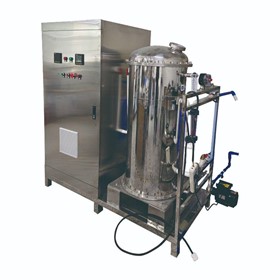
Industrial Ozone Generator - DNO 10-100, 200, 300, 500, 1000 series
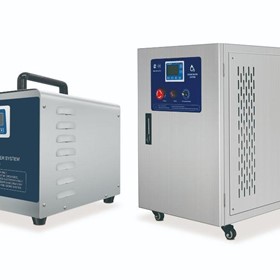
Ozone Generator - DN-OWS-PLUS
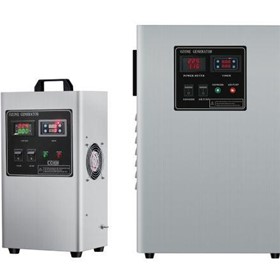
Swimming Pool Ozone Generator - DNA 7g, 10g, 15g, 20g
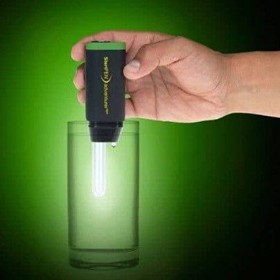
SteriPEN Traveler UV Water Purifier
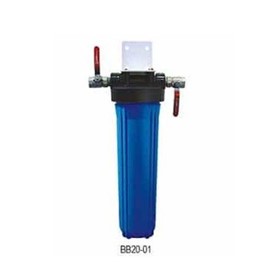
Whole House Jumbo Filter Housing BB20-01
Filter Element and Cartridges | Activated Carbon | ASC Series
Replacement Filters RO -1 Year Pack - Water Filter Cartridges
Ultrafiltration Cartridge for Big Blue Filter Housing
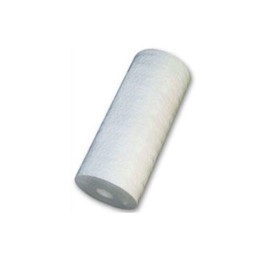
20″ x 4.5″ Big Blue Sediment filter Cartridge
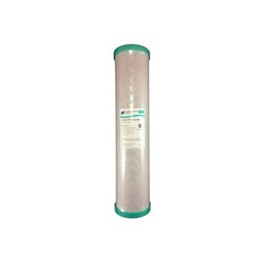
Big Blue Carbon Block Filter Cartridge 20″x4.5″
Dia Filter Cartridges - 30" Length / S30A-5A-Box
Water Filter Cartridges | S20A-5A-Box
Water Filter Cartridges | S40A-5A-Box
Water Filter Cartridges | S20A-10J-Box
Thanks for your help!
Sorry! Unable to submit your request at this time. Please try again later.
Report this product