
Food Safety System in Melbourne

Join industrial buyers comparing supplier quotes and buying with confidence. Free, quick and easy.

How IndustrySearch works
Tell us what you need
Answer a few quick questions about the equipment you're looking for.
Get personalised quotes
Receive tailored quotes from relevant Australian suppliers.
Compare and choose
Compare quotes, ask questions and choose the best option for you.
 Save time
 Compare quotes
 Buy with confidence
Save time, compare quotes & buy with confidence
Food Safety System Suppliers in Melbourne

Sensitech Proprietary Limited is an Food Safety System supplier to Melbourne
Sensitech offers complete cold chain solutions for monitoring temperature-sensitive products enabling our customers -- global leaders in Food, Pharmaceuticals, Biologics, and Industrial -- to track and monitor assets from beginning to end of the cold chain. Our products and services help to increase profitability, deliver higher quality products, ensure consumer safety, comply ...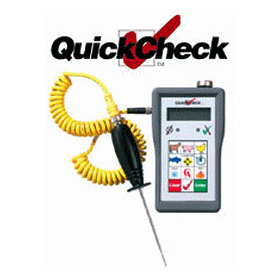
QuickCheck Unit Food Safety Management Systems
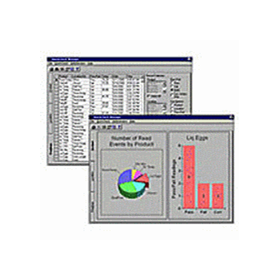
QuickCheck Food Safety Management Systems

Australasian Medical & Scientific is an Food Safety System supplier to All
Australasian Medical & Scientific Ltd has been providing innovative solutions to food processors and laboratories since 1991. Most of our products provide faster results, greater convenience, or both. Reducing time to product release, reducing labour costs, or preventing contamination of product are just some of the benefits our range can provide. AMSL strives to distinguish ...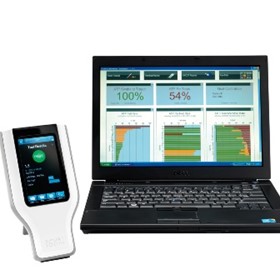

Spraying Systems Co Australia is an Food Safety System supplier to All
Spraying Systems Co. is the world’s leading manufacturer of spray nozzles. Every day, our local spray technology experts help customers optimize operations and create more sustainable manufacturing practices. With tens of thousands of standard products, we probably have the right nozzle for your application – and we ship most standard products in one day. If you need a special ...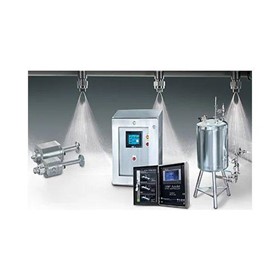

- Type of environment: Determine the type of environment that requires control. For example, a data center requires a different ECS than a hospital or manufacturing facility.
- Functionality: Determine the functionality required from the ECS, such as temperature control, humidity control, air quality control, and filtration.
- Size of the area: Determine the size of the area that needs to be controlled. Larger areas may require more powerful and sophisticated ECS.
- Budget: Determine the budget that is available for the ECS. Some systems may be more expensive than others.
- Energy efficiency: Consider the energy efficiency of the system. A more energy-efficient system may be more expensive upfront but can save money in the long run.
- Maintenance requirements: Determine the maintenance requirements of the system, including the frequency of maintenance and the cost of maintenance.
- - Building codes: Most jurisdictions have building codes that regulate the installation of mechanical, electrical, and plumbing systems, including ECS. These codes may specify requirements for system design, equipment selection, installation methods, and safety features. Building codes may also require permits and inspections for new installations or major modifications.
- - Environmental regulations: In some cases, the operation of an ECS may be subject to environmental regulations that limit emissions of pollutants or require the use of certain types of equipment or fuels. For example, some localities have regulations on the use of refrigerants in air conditioning systems, due to their potential impact on the ozone layer or climate change.
- - Energy efficiency standards: Many countries have established energy efficiency standards for buildings and building systems, including ECS. These standards may require minimum levels of efficiency for equipment and systems, or may offer incentives for higher levels of efficiency. Compliance with energy efficiency standards can help reduce operating costs and environmental impact.
- - Industry standards: There are various industry standards and codes that apply to ECS design, installation, and operation, depending on the type of system and the intended use. For example, the American Society of Heating, Refrigerating and Air-Conditioning Engineers (ASHRAE) publishes standards and guidelines for HVAC systems, including ECS.
- The main costs associated with purchasing and installing an ECS include:
- Equipment costs: This includes the cost of the actual ECS unit, as well as any additional equipment required such as ductwork, vents, and sensors. The cost of the equipment can range from a few thousand dollars for a small system to tens of thousands of dollars for a larger system.
- Installation costs: This includes the cost of labor to install the ECS system and any additional equipment required. The installation costs can range from a few thousand dollars for a basic installation to tens of thousands of dollars for a more complex installation.
- Maintenance costs: An ECS requires regular maintenance to ensure it continues to function properly. This includes regular inspections, filter replacements, and cleaning. The cost of maintenance can vary depending on the size and complexity of the system.
- Energy costs: An ECS requires energy to operate, which can result in increased energy costs. The amount of energy required will depend on the size of the system and how often it is used.
- Regular cleaning of air filters to prevent blockage and ensure proper airflow.
- Inspecting ductwork for signs of leaks or damage to ensure that air is flowing to the correct locations.
- Checking the refrigerant levels in the air conditioning system to ensure that it is cooling air to the correct temperature.
- Inspecting and testing the cabin pressure control system to ensure that it is maintaining the correct cabin pressure levels.
- Checking and replacing any faulty sensors or components in the ECS.
- Regularly inspecting and testing the oxygen delivery system to ensure that it is functioning correctly.
- Inspecting and cleaning the evaporator coils to prevent the growth of mold or bacteria.
- Regularly inspecting and testing the smoke detection and fire suppression systems.
- Inspecting and testing the ventilation system to ensure that it is providing adequate fresh air to the cabin.
- Regularly inspecting and testing the water and waste systems to ensure that they are functioning correctly and not leaking.
Food Safety System Costs and Supplier Insights
Why choose a supplier in Melbourne for Food Safety System Quotes?
If you are in Melbourne and considering purchasing a Food Safety System, it's worth considering Melbourne-based suppliers. Doing so offers several benefits that are particularly relevant to businesses in the area. Here are the top reasons why opting for a local Melbourne supplier can be the best decision for your Food Safety System buying needs.
Support Melbourne's Economy by Buying LocallyBoost Melbourne's economy and foster community development by purchasing from local suppliers.
Eco-Friendly Food Safety System SolutionsReduce your carbon footprint by choosing eco-friendly Food Safety System solutions. Local sourcing cuts down on transport emissions and supports sustainable practices.
Budget with Local Food Safety System SuppliersStreamline your budget by choosing local Food Safety System suppliers. Efficient logistics and reduced overheads lead to cost-effective purchasing.
Personalised Food Safety System ConfigurationsBenefit from personalised Food Safety System configurations available exclusively through select local suppliers.
Support Local Industry with Food Safety System PurchasesSupport local industry and commerce by choosing Food Safety System from Melbourne. Every purchase helps sustain and grow the local business ecosystem.
Dependability of Melbourne Food Safety System ProductsAssure quality and dependability when you buy a Food Safety System. Local suppliers maintain rigorous quality control to meet your expectations.
Buy a Food Safety System Near Me

 Reach valuable industrial buyers in minutes
 Promote key products & content
 Drive cost effective & measurable sales