
Turbidity Meter & Sensor in Sydney

Join industrial buyers comparing supplier quotes and buying with confidence. Free, quick and easy.



How IndustrySearch works
Tell us what you need
Answer a few quick questions about the equipment you're looking for.
Get personalised quotes
Receive tailored quotes from relevant Australian suppliers.
Compare and choose
Compare quotes, ask questions and choose the best option for you.
 Save time
 Compare quotes
 Buy with confidence
Save time, compare quotes & buy with confidence
Turbidity Meter & Sensor Suppliers in Sydney
Mettler Toledo is an Turbidity Meter & Sensor supplier to All
We offer precision instruments and services for many applications in research and development, quality control, production, logistics and retail to customers around the world. Our precision instruments are the foundation of research and quality control labs all over the world. Also, our analytical balances, titrators, pH meters, density meters, refractometers, melting point ...
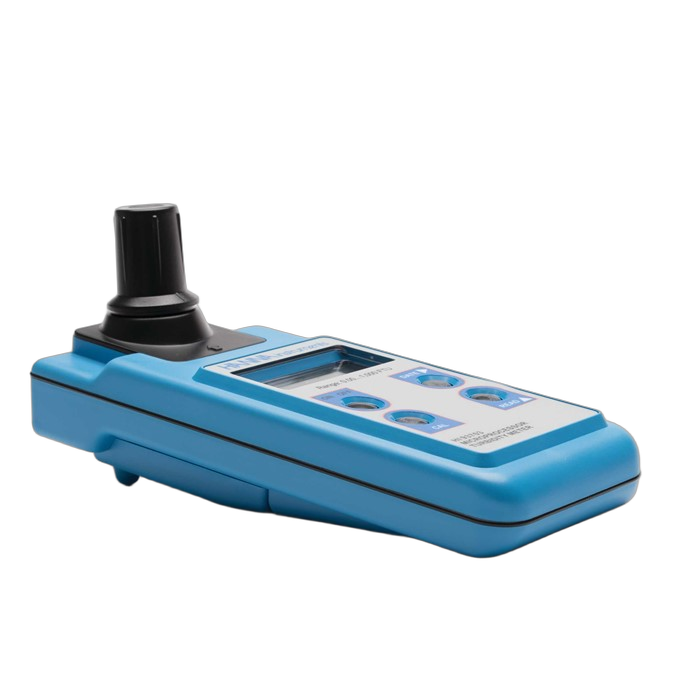
Turbidity Meter & Sensor | Transmitter M800 Process 1-CH

Turbidity Meter & Sensor | Transmitter M800 Process 1-CH SS

ProDetec is an Turbidity Meter & Sensor supplier to Sydney
ProDetec is proud to be privately Australian owned and operated since 2003. We originated providing specialist protection solutions to the Oil and Gas industries in Australia and New Zealand. ProDetec represents Simtronics Fire & Gas (previously known as Simrad Optronics), Firefly, IRMACO Group (StuvEx, ISMA & Pagg). Water Mist Engineering (WME), ETech, Fireater, Groveley ...

- Turbidity can also affect the taste and odor of drinking water and can make it difficult to effectively disinfect water with chlorine. Therefore, it is important to measure turbidity in water treatment plants, industrial processes, and natural bodies of water to ensure that the water is safe for consumption and supports aquatic life.
- Nephelometric turbidity meter: This type of meter uses a light source and a detector to measure the scattered light. The amount of scattered light is directly proportional to the turbidity of the liquid.
- Ratio turbidity meter: This type of meter uses two light sources with different wavelengths to measure the ratio of the scattered light. This method is more accurate than the nephelometric method.
- Absorption turbidity meter: This type of meter measures the amount of light absorbed by the suspended particles in the liquid. It is less accurate than the other two methods, but it is useful for measuring high levels of turbidity.
- In-line turbidity sensor: This type of sensor is installed in the pipeline or tank and continuously measures the turbidity of the liquid. It is often used in water treatment plants and food processing industries.
- Portable turbidity meter: This type of meter is handheld and can be used to measure the turbidity of liquids in the field. It is useful for environmental monitoring and water quality testing.
- Light source: The quality and intensity of the light source can affect the accuracy of the turbidity meter. If the light source is too weak, the meter may not be able to accurately detect small particles in the liquid.
- Calibration: Turbidity meters need to be calibrated regularly to ensure accurate measurements. If the instrument is not calibrated correctly, the readings may be inaccurate.
- Sample preparation: The sample being tested needs to be properly prepared to ensure accurate readings. If the sample is not properly mixed or filtered, it may contain particles that can interfere with the accuracy of the measurement.
- Temperature: The temperature of the liquid being tested can affect the accuracy of the turbidity meter. If the temperature is too high or too low, it can affect the readings.
- Interference: Other substances in the liquid being tested can interfere with the accuracy of the turbidity meter. For example, dissolved solids or chemicals can scatter the light and make it difficult to accurately measure the level of turbidity.
- The calibration requirements for turbidity meters depend on the type of instrument and the manufacturer's instructions. Generally, turbidity meters are calibrated using formazin, a standard solution with a known turbidity value. The meter is adjusted until it reads the same value as the standard solution.
- The frequency of calibration depends on the application and the level of accuracy required. In general, turbidity meters used in water treatment plants and other critical applications should be calibrated daily or weekly, depending on the manufacturer's recommendations. In contrast, laboratory instruments used for research or non-critical applications may only require calibration every few months or even once a year.
- Keep the sensor clean: The sensor should be cleaned regularly to remove any debris or buildup that may affect the readings. Use a soft cloth or a brush to clean the sensor gently.
- Calibrate the meter regularly: Calibration ensures that the meter is providing accurate readings. The frequency of calibration depends on the manufacturer's recommendations, but typically it is recommended to calibrate the meter at least once a month.
- Replace the sensor: The sensor may need to be replaced periodically. The frequency of replacement depends on the manufacturer's recommendations and the frequency of use. A general rule of thumb is to replace the sensor every one to two years.
- Check the batteries: If the meter is battery-powered, check the batteries regularly to ensure they are working properly. Replace the batteries as needed.
- Store the meter properly: When not in use, store the meter in a cool, dry place. Avoid exposing the meter to extreme temperatures or humidity.
Turbidity Meter & Sensor Costs and Supplier Insights
If you are looking to buy a Turbidity Meter & Sensor for sale, suppliers on IndustrySearch include Mettler Toledo
Why choose a supplier in Sydney for Turbidity Meter & Sensor Quotes?
If you are in Sydney and considering purchasing a Turbidity Meter & Sensor, it's worth considering Sydney-based suppliers. Doing so offers several benefits that are particularly relevant to businesses in the area. Here are the top reasons why opting for a local Sydney supplier can be the best decision for your Turbidity Meter & Sensor buying needs.
Supporting Sustainable Turbidity Meter & Sensor Suppliers in SydneySupport local and sustainable Turbidity Meter & Sensor suppliers. Their commitment to eco-friendly production aligns with responsible corporate practices.
Comprehensive Turbidity Meter & Sensor TrainingReceive comprehensive Turbidity Meter & Sensor training from experts. Local suppliers offer detailed training programs that enhance your team's skills and product knowledge.
Secure Your Inventory with Local SuppliersSecure your Turbidity Meter & Sensor inventory by partnering with local suppliers in Sydney. Reduce the likelihood of stock shortages and logistical issues.
Sydney Providers Leading Innovation AdoptionChoose Sydney Turbidity Meter & Sensor providers leading in innovation adoption. They help you implement the latest industry trends swiftly, enhancing your operational capacity.
Reducing Lead TimesReduce lead times significantly by sourcing your Turbidity Meter & Sensor from Sydney, increasing your operational efficiency and responsiveness.
Maximise Savings on Turbidity Meter & Sensor PurchasesMaximise your savings on Turbidity Meter & Sensor purchases by choosing suppliers in Sydney. Reduce costs while supporting the local economy.
Buy a Turbidity Meter & Sensor Near Me
Turbidity Meter & Sensor for sale in Perth
Turbidity Meter & Sensor for sale in Adelaide
Turbidity Meter & Sensor for sale in Sydney
Turbidity Meter & Sensor for sale in Hobart
Turbidity Meter & Sensor for sale in Brisbane
Turbidity Meter & Sensor for sale in Darwin

 Reach valuable industrial buyers in minutes
 Promote key products & content
 Drive cost effective & measurable sales