
Let us get you 3 quotes
Compare and select the best Belt Feeder
Compare Quotes

Find the right
Belt Feeder
Belt Feeder
Join industrial buyers comparing supplier quotes and buying with confidence. Free, quick and easy.

How IndustrySearch works
Tell us what you need
Answer a few quick questions about the equipment you're looking for.
Get personalised quotes
Receive tailored quotes from relevant Australian suppliers.
Compare and choose
Compare quotes, ask questions and choose the best option for you.
Looking to buy the best Belt Feeder for sale? Get Quotes sends your requirements to expert suppliers in Australia so you get personalised quotes to compare Belt Feeder prices, specifications, features and terms then choose the one that’s right for you. Also compare servicing, consumables and reviews, so you can buy with confidence.
 Save time
 Compare quotes
 Buy with confidence
Save time, compare quotes & buy with confidence
Belt Feeder Suppliers
Updated Jun 03, 2025
Supplier Location
Brand
Filter by brand:
Anaconda (3)
Nepean Conveyor (2)
Filter by location:
Sydney (8)
Hobart (5)
Perth (4)
Melbourne (3)
Brisbane (2)
Adelaide (2)
Darwin (2)

Onetrak | Heavy Machinery
Onetrak was founded by David and Jaime Hazell in 2006. In 12 years Onetrak has grown from a small single construction equipment franchise in Brighton, Tasmania to employing 100 staff members across Tasmania, Victoria, New South Wales, Western Australia, South Australia and Queensland. The Past 2006 Onetrak was founded and started as a Hyundai Construction Equipment dealer ...
Onetrak was founded by David and Jaime Hazell in 2006. In 12 years Onetrak has grown from a small single construction equipment franchise in Brighton, Tasmania to employing 100 staff members across Tasmania, Victoria, New South Wales, Western Australia, South Australia and Queensland. The Past 2006 Onetrak was founded and started as a Hyundai Construction Equipment dealer ...

Anaconda Belt Feeder Conveyor 63kw Engine | FTR100
The Anaconda FTR100 is robust and can be used in a variety of applications including sand & gravel, aggregates, compost and coal.

Anaconda Belt Feeder Conveyor 63kw Engine | FTR150
The Anaconda FTR150 is robust and can be used in a variety of applications including sand & gravel, aggregates, compost and coal.

Anaconda Feeder Conveyor | FTR200
The Anaconda FTR200 Feeder Loader is robust and can be used in a variety of applications including sand & gravel, aggregates, compost and coal. ...

Bulknet | Bulk Materials Handling Solutions
BulkNet is an Australian manufacturer that has been around for 50 years, specializing in Bulk Materials Handling Equipment. With our in-house design and manufacturing facility in Melbourne, we specialize in premium quality; Screw Conveyors, Screw Feeders, Pugmills, Paddle Mixers, Live Bottom Bins, Ribbon Mixers, Bucket Elevators and Drag Chain Conveyors. Our clients range ...
BulkNet is an Australian manufacturer that has been around for 50 years, specializing in Bulk Materials Handling Equipment. With our in-house design and manufacturing facility in Melbourne, we specialize in premium quality; Screw Conveyors, Screw Feeders, Pugmills, Paddle Mixers, Live Bottom Bins, Ribbon Mixers, Bucket Elevators and Drag Chain Conveyors. Our clients range ...


Transmin | Engineering Equipment
Transmin is a world-class provider of innovative engineered equipment, supplies and services to the mining-resources and bulk materials handling industries. Established in Perth, Western Australia in 1987, Transmin sets the standard for mechanical equipment design and application, led by our specialist Engineering division and backed by our dedicated Project Management, ...
Transmin is a world-class provider of innovative engineered equipment, supplies and services to the mining-resources and bulk materials handling industries. Established in Perth, Western Australia in 1987, Transmin sets the standard for mechanical equipment design and application, led by our specialist Engineering division and backed by our dedicated Project Management, ...


MACA Interquip | Mining Equipment and Machinery
MACA Interquip, formerly trading as Interquip Pty Limited and Interquip Construction Pty Limited (Interquip), is a multi-disciplinary company with a proven track record in delivering small to large scale SMP projects, new and refurbished plant and equipment, and consumables to the mineral processing sector of the resources industry. Supporting the resource and infrastructure ...
MACA Interquip, formerly trading as Interquip Pty Limited and Interquip Construction Pty Limited (Interquip), is a multi-disciplinary company with a proven track record in delivering small to large scale SMP projects, new and refurbished plant and equipment, and consumables to the mineral processing sector of the resources industry. Supporting the resource and infrastructure ...


Roxon | Conveyors
Ever since the company’s early years in the 1960s, ROXON has specialised in crushing, screening, and conveying of ores, minerals, and coal. Today, Roxon is part of Australian NEPEAN Conveyors Pty Ltd. ROXON offers customers maximum productivity through total systems solutions. Everything from components to complete systems and service, special area of competence being conveyor ...
Ever since the company’s early years in the 1960s, ROXON has specialised in crushing, screening, and conveying of ores, minerals, and coal. Today, Roxon is part of Australian NEPEAN Conveyors Pty Ltd. ROXON offers customers maximum productivity through total systems solutions. Everything from components to complete systems and service, special area of competence being conveyor ...
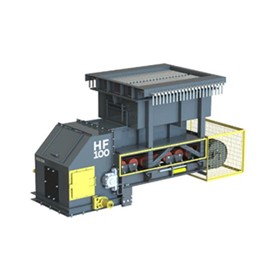
Nepean Conveyor Belt Feeder | HF100
HF100 Belt Feeder is standardized for feeding applications. It is usually arranged under silos, stockpiles or similar to feed belt conveyors, ...
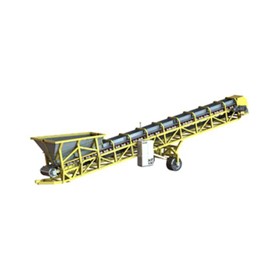
Nepean Conveyor Movable Belt Feeder | HF400
HF400 Movable Belt Feeder is standardized for movable feeding applications. It can be used in ports, power plants, stock yards and mines for ...

Vastum Engineering | Waste Sorting and Recycling Machines
VASTUM implements advanced technologies for effective waste sorting and recycling. In addition we enhance operational efficiency and environmental sustainability through process optimization. Our team understand the importance of delivering cost-effective solutions without compromising on quality. We are committed to maximising value for clients, ensuring that projects are ...
VASTUM implements advanced technologies for effective waste sorting and recycling. In addition we enhance operational efficiency and environmental sustainability through process optimization. Our team understand the importance of delivering cost-effective solutions without compromising on quality. We are committed to maximising value for clients, ensuring that projects are ...
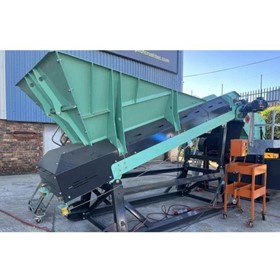

Hillen Brand |
Manufacturing success starts with the right process. Hillenbrand Food, Health & Nutrition combines process expertise, engineering know-how, and a broad portfolio of technologies. Whether you produce food, pharmaceutical, nutraceutical, cosmetic, personal care, or fine chemical products, these capabilities support growth, enhance production outcomes, and help you respond to changing ...
Manufacturing success starts with the right process. Hillenbrand Food, Health & Nutrition combines process expertise, engineering know-how, and a broad portfolio of technologies. Whether you produce food, pharmaceutical, nutraceutical, cosmetic, personal care, or fine chemical products, these capabilities support growth, enhance production outcomes, and help you respond to changing ...


Belt Feeder
Belt Feeder
What is a Belt Feeder and how does it work?
A belt feeder is a type of conveyor that uses a continuous belt to transport materials from one location to another. The belt is typically made of rubber, plastic, or metal and is powered by a motor that rotates the belt. As the belt moves, it carries the materials along with it, allowing for a controlled and consistent flow of material. Belt feeders are commonly used in industries such as mining, agriculture, and construction to transport materials such as coal, grain, and sand. They are often used in conjunction with other equipment, such as crushers or screens, to create a complete material handling system.
What are the benefits of using a Belt Feeder?
A belt feeder is a type of conveyor that uses a continuous belt to transport materials from one location to another. The benefits of using a belt feeder include:
- Accurate feeding: Belt feeders are designed to provide a consistent and accurate feed rate, which is essential for many industrial processes.
- Versatility: Belt feeders can handle a wide range of materials, including powders, granules, and even large chunks of material.
- Low maintenance: Belt feeders are relatively simple machines that require minimal maintenance, making them a cost-effective solution for many applications.
- Space-saving: Belt feeders are compact and can be installed in tight spaces, making them ideal for use in areas where space is limited.
- Energy-efficient: Belt feeders use less energy than other types of feeders, making them an environmentally friendly option.
What types of materials can be handled by a Belt Feeder?
A Belt Feeder can handle a wide range of materials, including but not limited to coal, ores, aggregates, wood chips, grains, and chemicals.
What are the different sizes and capacities of Belt Feeders available?
Belt feeders are available in a variety of sizes and capacities to suit different applications. The sizes range from small, portable units that can handle a few hundred pounds per hour to large, stationary systems that can handle thousands of tons per hour. The capacities of belt feeders depend on factors such as the width and length of the belt, the speed of the belt, and the size and weight of the material being handled. Some common sizes and capacities of belt feeders include:
- - Small portable units: These can handle up to a few hundred pounds per hour and are often used for feeding materials into laboratory equipment or small-scale production processes.
- - Medium-sized units: These can handle several tons per hour and are often used in mining, quarrying, and construction applications.
- - Large stationary systems: These can handle thousands of tons per hour and are typically used in heavy industrial applications such as power generation, steel production, and cement manufacturing.
What are the maintenance requirements for a Belt Feeder?
Belt feeders require regular maintenance to ensure they operate efficiently and effectively. Some of the maintenance requirements for a belt feeder include:
- Regular cleaning: The belt feeder should be cleaned regularly to remove any debris or material that may have accumulated on the belt or in the feeder.
- Belt tensioning: The belt tension should be checked regularly to ensure it is properly tensioned. A loose belt can cause slippage and reduce the feeder's accuracy.
- Lubrication: The bearings and other moving parts of the belt feeder should be lubricated regularly to prevent wear and tear.
- Belt replacement: The belt should be replaced when it becomes worn or damaged. A damaged belt can cause the feeder to malfunction and reduce its accuracy.
- Inspection: The belt feeder should be inspected regularly to identify any potential issues or problems that may need to be addressed.
- Calibration: The belt feeder should be calibrated regularly to ensure it is accurately measuring and dispensing materials.
What safety features should I look for in a Belt Feeder?
Emergency Stop Button: A Belt Feeder should have an emergency stop button that can immediately stop the machine in case of any emergency.
- Safety Guards: Safety guards should be installed around the Belt Feeder to prevent any accidental contact with moving parts.
- Lockout/Tagout: The Belt Feeder should have a lockout/tagout system to ensure that the machine is not started or operated during maintenance or repair work.
- Overload Protection: The Belt Feeder should have overload protection to prevent damage to the machine and ensure the safety of the operator.
- Automatic Shutdown: The Belt Feeder should automatically shut down if there is a malfunction or if it is overloaded.
- Warning Signs: Warning signs should be posted around the Belt Feeder to alert operators of potential hazards.
What are the installation requirements for a Belt Feeder?
The installation requirements for a Belt Feeder include a stable and level foundation, proper alignment of the feeder and conveyor belt, adequate clearance for maintenance and operation, appropriate electrical and mechanical connections, and compliance with safety regulations and standards. Additionally, the Belt Feeder should be installed in a suitable location that allows for easy access and efficient material handling. It is recommended to consult the manufacturer's instructions and guidelines for specific installation requirements and procedures.
What is the cost of a Belt Feeder and how does it compare to other feeding systems?
However, in general, the cost of a belt feeder can vary depending on the size, capacity, and features of the equipment. Belt feeders are typically more expensive than other feeding systems such as vibratory feeders or screw feeders, but they offer advantages such as higher accuracy and consistency in feeding materials. The cost-effectiveness of a belt feeder will ultimately depend on the specific application and requirements of the user.
What are the delivery and lead times for a Belt Feeder?
However, delivery and lead times for a Belt Feeder may vary depending on various factors such as the manufacturer, location, customization, and availability of components. It is recommended to contact the manufacturer or supplier directly to inquire about their delivery and lead times.
What kind of warranty and after-sales support is available for a Belt Feeder?
The warranty and after-sales support for a Belt Feeder may vary depending on the manufacturer and supplier. However, most reputable companies offer a standard warranty period of 12 months or more, which covers any defects in materials and workmanship. Some manufacturers may also offer extended warranty options for an additional cost.
- After-sales support typically includes technical assistance, troubleshooting, and maintenance services. Some companies may offer on-site support, while others may provide remote assistance via phone or email. Additionally, some suppliers may offer training programs for operators and maintenance personnel to ensure proper use and maintenance of the equipment.
Get 3+ Quotes Now - Compare prices, availability and quality. It’s free, quick and secure.
Back to top
Belt Feeder Costs and Supplier Insights
The listed price of a Belt Feeder for sale ranges from $5,000 to $15,000, averaging $10,000.
If you are looking to buy a Belt Feeder for sale, suppliers on IndustrySearch include Onetrak
Use Get Quotes to receive personalised prices and proposals from trusted suppliers with top reviews and excellent service.
Buy a Belt Feeder Near Me
Save time and delivery costs while getting fast support, by contacting Belt Feeder suppliers near you.

Are you a Belt Feeder supplier?
 Reach valuable industrial buyers in minutes
 Promote key products & content
 Drive cost effective & measurable sales
learn more
Reach valuable industrial buyers in minutes
Promote key products & content
Drive cost effective & measurable sales