
Let us get you 3 quotes
Compare and select the best Baggage Handling System
Compare Quotes

Find the right
Baggage Handling System
Baggage Handling System
Join industrial buyers comparing supplier quotes and buying with confidence. Free, quick and easy.

How IndustrySearch works
Tell us what you need
Answer a few quick questions about the equipment you're looking for.
Get personalised quotes
Receive tailored quotes from relevant Australian suppliers.
Compare and choose
Compare quotes, ask questions and choose the best option for you.
Looking to buy the best Baggage Handling System for sale? Get Quotes sends your requirements to expert suppliers in Australia so you get personalised quotes to compare Baggage Handling System prices, specifications, features and terms then choose the one that’s right for you. Also compare servicing, consumables and reviews, so you can buy with confidence.
 Save time
 Compare quotes
 Buy with confidence
Save time, compare quotes & buy with confidence
Baggage Handling System Suppliers
Updated Nov 24, 2025
Supplier Location
Brand
Filter by brand:
Vanderlande (3)
Filter by location:
Sydney (29)
Brisbane (1)

Materials Handling | Materials Handling, Lifting and Safety Equipment
Materials Handling Pty Ltd is a national distributor of an extensive range of products for handling, lifting, conveying storage, logistics and warehouse systems. We help organisations improve workplace safety, productivity, efficiency and profitability and ensure their employees are "working with ease". Our products and systems have been specifically designed and selected to ...
Materials Handling Pty Ltd is a national distributor of an extensive range of products for handling, lifting, conveying storage, logistics and warehouse systems. We help organisations improve workplace safety, productivity, efficiency and profitability and ensure their employees are "working with ease". Our products and systems have been specifically designed and selected to ...

Vanderlande Industries Australia | Process Automation Solutions
Vanderlande is the global market leader for future-proof logistic process automation at airports, and in the parcel market. The company is also a leading supplier of process automation solutions for warehouses. Vanderlande’s baggage handling systems are capable of moving over 4 billion pieces of baggage around the world per year. Its systems are active in 600 airports including ...
Vanderlande is the global market leader for future-proof logistic process automation at airports, and in the parcel market. The company is also a leading supplier of process automation solutions for warehouses. Vanderlande’s baggage handling systems are capable of moving over 4 billion pieces of baggage around the world per year. Its systems are active in 600 airports including ...

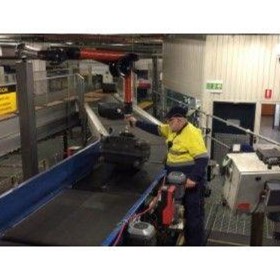
Vanderlande Baggage Handling System
Several factors drive investments in automated hold baggage solutions at airports.

Vanderlande Baggage Loading System | STACK@EASE
Vanderlande’s STACK@EASE is a highly flexible and ergonomic loading aid solution that takes the heavy lifting out of manual baggage loading ...

BEUMER Australia | Conveying, Filling, Palletising & Sorting systems
Bag filling, bag palletising and pallet hooding as well as bulk material handling systems are the core focus of BEUMER Group. Industries such as Cement production, Drymix, Fertilisers, Plastic pellets, Flour, Sugar and Salt as well as Bagged Petfood, Bagged Mulch or Potting mixes. All within BEUMER machine capabilities. With a rich history established in 1935, BEUMER Group ...
Bag filling, bag palletising and pallet hooding as well as bulk material handling systems are the core focus of BEUMER Group. Industries such as Cement production, Drymix, Fertilisers, Plastic pellets, Flour, Sugar and Salt as well as Bagged Petfood, Bagged Mulch or Potting mixes. All within BEUMER machine capabilities. With a rich history established in 1935, BEUMER Group ...
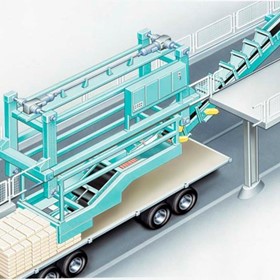
Automated Bag Loading & Palletising System | BEUMER autopac
Fully automated bag loading onto open trucks using the BEUMER autopac Automated Loading and Palletising System. The key to both loading and ...
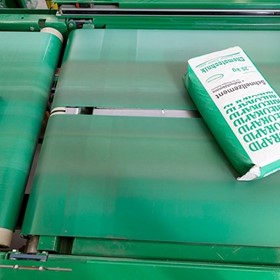
BEUMER Twin Belt Palletizing / Turning System
Innovative approach to gentle bag handling during palletizing led BEUMER to develop Twin Belt Turning Device – a reliable and precise way of ...

Baggage Handling System
Baggage Handling System
What is a baggage handling system?
A baggage handling system is a mechanized system used in airports to transport and manage baggage from check-in to the final destination. It includes a series of conveyors, sorters, scanners, and other automated equipment that move luggage through the airport and onto planes. The system is designed to improve the efficiency of luggage handling and reduce the likelihood of lost or mishandled baggage.
What are the benefits of having a baggage handling system?
A baggage handling system is a complex network of machines, conveyors, and software that efficiently and securely transports baggage from check-in to the aircraft. The benefits of having a baggage handling system include:
- Improved efficiency: A baggage handling system can significantly improve the speed and efficiency of luggage handling, reducing the time it takes for passengers to check in and board their flights. This results in a better customer experience and increased operational efficiency.
- Increased security: A baggage handling system can enhance security by providing screening and tracking capabilities to ensure that luggage is not lost or stolen. This helps to reduce the risk of terrorism and other security threats.
- Reduced costs: A baggage handling system can help to save costs by automating the baggage handling process, reducing the need for manual labor and increasing efficiency. This can also result in fewer lost or damaged bags, which can be expensive to replace or compensate passengers for.
- Improved safety: A baggage handling system can improve safety by reducing the risk of injuries to baggage handlers and passengers. By automating the process, there is less risk of accidents caused by manual handling or human error.
- Better customer experience: A baggage handling system can provide a better customer experience by reducing the time and hassle of checking in and boarding flights. Passengers are more likely to have a positive experience when their luggage is handled efficiently and securely.
What are the different types of baggage handling systems available in Australia?
(BHS) is an automated system that transports and sorts luggage in airports. There are several types of BHS available in Australia, including:
- Conveyor-based system: This is the most common type of BHS in Australia. It uses a network of conveyor belts to transport luggage between check-in, sorting, and loading areas.
- Destination-coded vehicle (DCV) system: In this system, luggage is loaded onto carts with destination codes, and the carts are then transported to their respective flights using automated vehicles.
- Early Bag Storage (EBS) system: This system stores luggage in a secure area before the flight, allowing passengers to check-in their bags hours before departure.
- Self-service bag drop: This system allows passengers to check-in their bags themselves using automated kiosks.
- Robotic BHS: This is a newer technology that uses robots to transport and sort luggage. It is not yet widely used in Australia.
How much does a baggage handling system cost?
The cost of a baggage handling system varies depending on a number of factors, including the size and complexity of the system, the level of automation required, and the specific needs of the airport or airline. Generally, a basic baggage handling system can cost anywhere from $1 million to $20 million, while larger and more complex systems can cost upwards of $100 million or more. Other factors that can impact the cost of a baggage handling system include the cost of installation, maintenance, and ongoing upgrades and improvements. Overall, the cost of a baggage handling system can be a significant investment for airports and airlines, but it is an essential component of modern air travel infrastructure.
How long does it take to install a baggage handling system?
Installation time varies depending on the size and complexity of the system. A small system for a regional airport may take a few months to install, while a larger system for a major international airport may take several years. Factors that can impact installation time include the scope of the project, the availability of materials and equipment, and any unforeseen challenges that arise during the installation process. Additionally, the installation process may involve multiple phases, such as design, construction, testing, and commissioning, each of which can add to the overall installation time.
What kind of maintenance is required for a baggage handling system?
Maintenance for a baggage handling system is crucial to ensure the system is operating efficiently and effectively. The following are some of the required maintenance procedures for a baggage handling system:
- Regular Inspection: Periodic inspection of the system's components and equipment is necessary to identify any signs of wear and tear, damage or malfunctioning.
- Cleaning: Regular cleaning of the conveyor belts, rollers, and other equipment is necessary to remove dirt, debris, and other contaminants that may compromise the system's efficiency.
- Lubrication: Lubricating the conveyor belts and rollers is necessary to reduce friction and wear, thus prolonging the lifespan of these components.
- Calibration: Calibration of the sensors and other electronic components is necessary to ensure that they are reading and transmitting accurate information.
- Repairs and Replacement: Any damaged or malfunctioning components must be repaired or replaced promptly to avoid system downtime and ensure the system's smooth operation.
- Software Updates: Regular software updates are necessary to ensure that the system is running on the latest version, which may include bug fixes, security patches, or new features.
How do I choose the right baggage handling system for my facility?
(BHS) selection should be based on several factors including the size of the facility, the type of airport or transportation hub, the number of passengers and flights, the budget, and the desired level of automation. Some key considerations when choosing a BHS include:
- Capacity: The BHS should be able to handle the expected volume of baggage efficiently without causing delays or congestion.
- Flexibility: The system should be able to adapt to changes in the airport layout, airline requirements, and passenger needs.
- Automation: Automation can increase efficiency and reduce costs, but it also requires more complex technology and maintenance.
- Reliability: The BHS should be reliable, with minimal downtime and easy maintenance.
- Security: The system should be designed to prevent theft, damage, and mishandling of baggage.
- Integration: The BHS should be seamlessly integrated with other airport systems such as check-in, security, and boarding.
- Cost: The cost of the BHS should be considered in relation to the expected benefits and the budget available.
What safety measures should be taken when installing a baggage handling system?
Installation of a baggage handling system typically involves several safety measures to ensure that airport personnel and passengers are safe. Below are some of the key safety measures that should be taken when installing a baggage handling system:
- Conduct a risk assessment: A risk assessment should be conducted to identify potential hazards and risks associated with the installation of the baggage handling system. This assessment should be carried out by a qualified safety professional and should consider factors such as the layout of the airport, the configuration of the baggage handling system, and the equipment to be installed.
- Use safety equipment: Personal protective equipment (PPE) such as safety glasses, gloves, and hard hats should be used during installation. Additionally, safety barriers and warning signs should be placed in areas where work is being carried out to prevent unauthorized access.
- Ensure equipment is installed correctly: The installation of the baggage handling system should be carried out by qualified personnel who are trained to work with the equipment. Proper installation is crucial to preventing accidents and ensuring the system operates safely.
- Conduct regular maintenance: Regular maintenance of the baggage handling system is essential to ensure it continues to operate safely. Maintenance should be carried out by qualified personnel who are trained to work with the equipment.
- Provide training: Personnel who will be operating the baggage handling system should receive proper training to ensure they understand how to use it safely. This training should include information on how to operate the equipment, how to identify potential hazards, and what to do in the event of an emergency.
What kind of training is required for staff to operate a baggage handling system?
Staff operating a baggage handling system require training that covers various aspects of the system. The training should include the following:
- Safety training: This involves instruction on the safe use of equipment, handling of luggage, and emergency procedures.
- Operational training: This covers the use of the system, including operating controls, managing luggage flow, and troubleshooting.
- Maintenance training: This includes instruction on basic maintenance tasks such as cleaning, lubrication, and inspection.
- Customer service training: This is important for staff who interact with customers, providing instruction on how to handle customer requests and complaints.
- Security training: This involves instruction on how to handle suspicious packages and potential security threats.
What kind of support and warranty is available for a baggage handling system?
Support and warranty for a baggage handling system vary depending on the manufacturer and the specific system model. However, most manufacturers provide technical support and training for installation, operation, and maintenance of the system. They also offer various levels of warranty, including parts replacement and repair services. The warranty can range from a few months to several years, depending on the manufacturer and the system's complexity. Some manufacturers also provide remote monitoring and diagnostic services to detect and fix issues before they cause significant downtime. Additionally, many manufacturers offer service contracts or maintenance agreements to ensure the system's ongoing performance and reliability. Overall, the level of support and warranty available for a baggage handling system can significantly impact its overall cost and long-term value.
Get 3+ Quotes Now - Compare prices, availability and quality. It’s free, quick and secure.
Back to top
Baggage Handling System Costs and Supplier Insights
The listed price of a Baggage Handling System for sale ranges from $50,000 to $200,000, averaging $125,000.
Use Get Quotes to receive personalised prices and proposals from trusted suppliers with top reviews and excellent service.
Buy a Baggage Handling System Near Me
Save time and delivery costs while getting fast support, by contacting Baggage Handling System suppliers near you.
Back to top
Baggage Handling System Articles & Reviews


Are you a Baggage Handling System supplier?
 Reach valuable industrial buyers in minutes
 Promote key products & content
 Drive cost effective & measurable sales
learn more
Reach valuable industrial buyers in minutes
Promote key products & content
Drive cost effective & measurable sales