
Baggage Handling System in Sydney

Join industrial buyers comparing supplier quotes and buying with confidence. Free, quick and easy.
How IndustrySearch works
Tell us what you need
Answer a few quick questions about the equipment you're looking for.
Get personalised quotes
Receive tailored quotes from relevant Australian suppliers.
Compare and choose
Compare quotes, ask questions and choose the best option for you.
 Save time
 Compare quotes
 Buy with confidence
Save time, compare quotes & buy with confidence
Baggage Handling System Suppliers in Sydney

Vanderlande Industries Australia is an Baggage Handling System supplier to Sydney
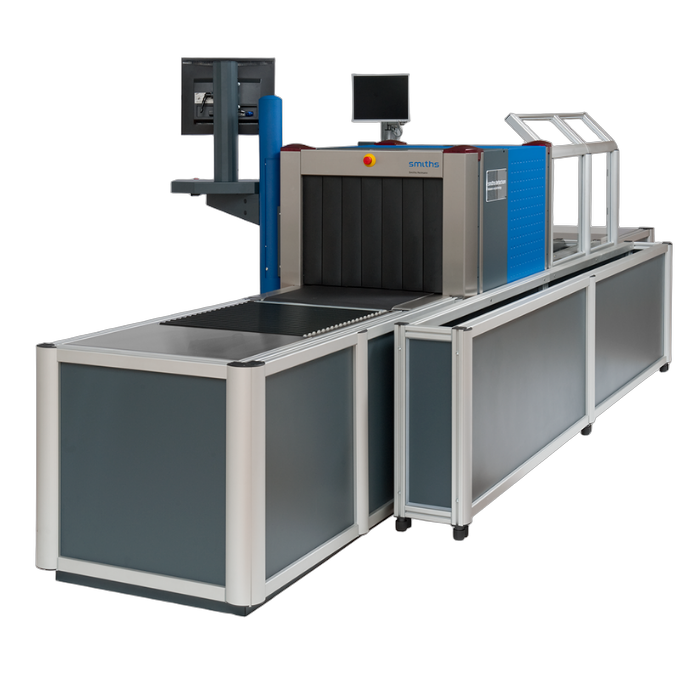
Vanderlande is the global market leader for future-proof logistic process automation at airports, and in the parcel market. The company is also a leading supplier of process automation solutions for warehouses. Vanderlande’s baggage handling systems are capable of moving over 4 billion pieces of baggage around the world per year. Its systems are active in 600 airports including ...
Vanderlande Baggage Handling System

Vanderlande Baggage Loading System | STACK@EASE

BEUMER Australia is an Baggage Handling System supplier to Sydney
Bag filling, bag palletising and pallet hooding as well as bulk material handling systems are the core focus of BEUMER Group. Industries such as Cement production, Drymix, Fertilisers, Plastic pellets, Flour, Sugar and Salt as well as Bagged Petfood, Bagged Mulch or Potting mixes. All within BEUMER machine capabilities. With a rich history established in 1935, BEUMER Group ...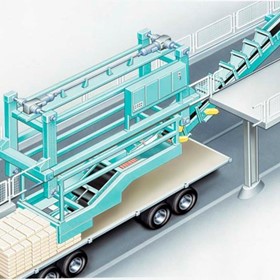
Automated Bag Loading & Palletising System | BEUMER autopac
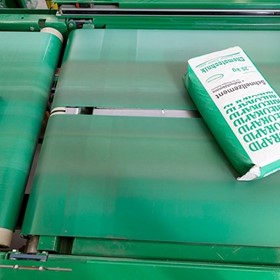
BEUMER Twin Belt Palletizing / Turning System

- Improved efficiency: A baggage handling system can significantly improve the speed and efficiency of luggage handling, reducing the time it takes for passengers to check in and board their flights. This results in a better customer experience and increased operational efficiency.
- Increased security: A baggage handling system can enhance security by providing screening and tracking capabilities to ensure that luggage is not lost or stolen. This helps to reduce the risk of terrorism and other security threats.
- Reduced costs: A baggage handling system can help to save costs by automating the baggage handling process, reducing the need for manual labor and increasing efficiency. This can also result in fewer lost or damaged bags, which can be expensive to replace or compensate passengers for.
- Improved safety: A baggage handling system can improve safety by reducing the risk of injuries to baggage handlers and passengers. By automating the process, there is less risk of accidents caused by manual handling or human error.
- Better customer experience: A baggage handling system can provide a better customer experience by reducing the time and hassle of checking in and boarding flights. Passengers are more likely to have a positive experience when their luggage is handled efficiently and securely.
- Conveyor-based system: This is the most common type of BHS in Australia. It uses a network of conveyor belts to transport luggage between check-in, sorting, and loading areas.
- Destination-coded vehicle (DCV) system: In this system, luggage is loaded onto carts with destination codes, and the carts are then transported to their respective flights using automated vehicles.
- Early Bag Storage (EBS) system: This system stores luggage in a secure area before the flight, allowing passengers to check-in their bags hours before departure.
- Self-service bag drop: This system allows passengers to check-in their bags themselves using automated kiosks.
- Robotic BHS: This is a newer technology that uses robots to transport and sort luggage. It is not yet widely used in Australia.
- Regular Inspection: Periodic inspection of the system's components and equipment is necessary to identify any signs of wear and tear, damage or malfunctioning.
- Cleaning: Regular cleaning of the conveyor belts, rollers, and other equipment is necessary to remove dirt, debris, and other contaminants that may compromise the system's efficiency.
- Lubrication: Lubricating the conveyor belts and rollers is necessary to reduce friction and wear, thus prolonging the lifespan of these components.
- Calibration: Calibration of the sensors and other electronic components is necessary to ensure that they are reading and transmitting accurate information.
- Repairs and Replacement: Any damaged or malfunctioning components must be repaired or replaced promptly to avoid system downtime and ensure the system's smooth operation.
- Software Updates: Regular software updates are necessary to ensure that the system is running on the latest version, which may include bug fixes, security patches, or new features.
- Capacity: The BHS should be able to handle the expected volume of baggage efficiently without causing delays or congestion.
- Flexibility: The system should be able to adapt to changes in the airport layout, airline requirements, and passenger needs.
- Automation: Automation can increase efficiency and reduce costs, but it also requires more complex technology and maintenance.
- Reliability: The BHS should be reliable, with minimal downtime and easy maintenance.
- Security: The system should be designed to prevent theft, damage, and mishandling of baggage.
- Integration: The BHS should be seamlessly integrated with other airport systems such as check-in, security, and boarding.
- Cost: The cost of the BHS should be considered in relation to the expected benefits and the budget available.
- Conduct a risk assessment: A risk assessment should be conducted to identify potential hazards and risks associated with the installation of the baggage handling system. This assessment should be carried out by a qualified safety professional and should consider factors such as the layout of the airport, the configuration of the baggage handling system, and the equipment to be installed.
- Use safety equipment: Personal protective equipment (PPE) such as safety glasses, gloves, and hard hats should be used during installation. Additionally, safety barriers and warning signs should be placed in areas where work is being carried out to prevent unauthorized access.
- Ensure equipment is installed correctly: The installation of the baggage handling system should be carried out by qualified personnel who are trained to work with the equipment. Proper installation is crucial to preventing accidents and ensuring the system operates safely.
- Conduct regular maintenance: Regular maintenance of the baggage handling system is essential to ensure it continues to operate safely. Maintenance should be carried out by qualified personnel who are trained to work with the equipment.
- Provide training: Personnel who will be operating the baggage handling system should receive proper training to ensure they understand how to use it safely. This training should include information on how to operate the equipment, how to identify potential hazards, and what to do in the event of an emergency.
- Safety training: This involves instruction on the safe use of equipment, handling of luggage, and emergency procedures.
- Operational training: This covers the use of the system, including operating controls, managing luggage flow, and troubleshooting.
- Maintenance training: This includes instruction on basic maintenance tasks such as cleaning, lubrication, and inspection.
- Customer service training: This is important for staff who interact with customers, providing instruction on how to handle customer requests and complaints.
- Security training: This involves instruction on how to handle suspicious packages and potential security threats.
Baggage Handling System Costs and Supplier Insights
Why choose a supplier in Sydney for Baggage Handling System Quotes?
If you are in Sydney and considering purchasing a Baggage Handling System, it's worth considering Sydney-based suppliers. Doing so offers several benefits that are particularly relevant to businesses in the area. Here are the top reasons why opting for a local Sydney supplier can be the best decision for your Baggage Handling System buying needs.
Investing in Sydney with Every Baggage Handling System PurchaseEach purchase of a Baggage Handling System from a supplier in Sydney is an investment in its future. Help cultivate a thriving local business landscape.
Continuous Learning with Sydney SuppliersPromote continuous learning for your Baggage Handling System with ongoing training and updates from Sydney suppliers. Stay ahead with the latest operational knowledge.
Reduce CostsReduce operational costs by sourcing your Baggage Handling System locally. Local suppliers can offer competitive pricing without the added expenses of long-distance logistics.
Supply Chain Stability with Sydney SuppliersEnhance your supply chain stability by choosing Baggage Handling System suppliers in Sydney. Local sourcing reduces risks associated with global disruptions.
Stay Ahead in Baggage Handling System TechnologyStay ahead in Baggage Handling System technology with the help of local suppliers. They bring the newest advancements directly to your doorstep, keeping you competitive.
Partner with Sydney Suppliers for ComplianceChoose local suppliers as your compliance partners. Their expertise ensures that all products meet local regulations, giving you peace of mind.
Buy a Baggage Handling System Near Me
Baggage Handling System Articles & Reviews


 Reach valuable industrial buyers in minutes
 Promote key products & content
 Drive cost effective & measurable sales