
Blow Molding Machine in Hobart

Join industrial buyers comparing supplier quotes and buying with confidence. Free, quick and easy.

How IndustrySearch works
Tell us what you need
Answer a few quick questions about the equipment you're looking for.
Get personalised quotes
Receive tailored quotes from relevant Australian suppliers.
Compare and choose
Compare quotes, ask questions and choose the best option for you.
 Save time
 Compare quotes
 Buy with confidence
Save time, compare quotes & buy with confidence
Blow Molding Machine Suppliers in Hobart

Icon Equipment International is an Blow Molding Machine supplier to All
Icon Equipment International Pty Ltd manufactures and supplies the flowable liquid industry with equipment based on innovation, solid engineering and responsive customer service. Icon Equipment International has become a well known and respected name throughout many industries and companies not only in Australia and New Zealand, but also within South East Asia and the Middle ...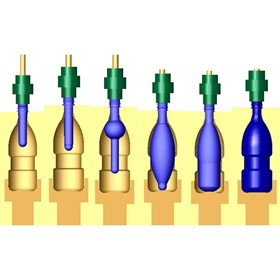
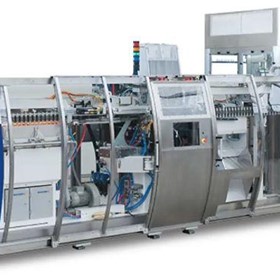

Proquip Solutions Limited is an Blow Molding Machine supplier to All
Proquip Solutions supplies a comprehensive range of processing and packaging equipment from leading global manufacturers. Our product offering covers the food and beverage processing industries, packaging applications, and equipment solutions that drive manufacturing efficiency. We specialise in end-to-end processing solutions — from design to implementation — ensuring future-proofed ...
Blow Molding Machine Buying Guide
Find and buy an extrusion and blow molding machine from verified suppliers on IndustrySearch. An extrusion and blow molding machine is a machine used to produce a broad range of plastics including PP, PC, PVC, HDPE, PETG, and bottles that need multi-layer technologies.
Things to consider when buying an extrusion and blow molding machine:
- Production capacity - The machine should be able to meet your needs depending on whether you want to manufacture in small or large scale. Also consider a machine with a productivity capacity of 25% more than what you need.
- Size - There is a wide array of sizes to choose from ranging from small to large. The size of the machine also determines the size of your molds as well as the size of the end products.
- Automation - If you are looking for a machine that can create bottles in a wide range of sizes and designs, you should consider an automated machine. It is an efficient option that will save time and money spent on paying for extra labor. Moreover, an automated machine does not need supervision so you can focus on other important tasks while the machine does its job.
Contact our vendors for a free quote or expert advice on extrusion and blow molding machines. Delivery available Australia wide.

- In extrusion blow molding, a plastic tube is extruded and then clamped into a mold. The mold is then cooled and the plastic solidifies to form the final product. In injection blow molding, a plastic preform is injection molded and then blown into a mold to form the final product. Stretch blow molding combines the extrusion and injection blow molding techniques, stretching the plastic preform before blowing it into the final shape.
- Extrusion blow molding machines: These machines use a continuous extruded tube of molten plastic that is inflated to form a hollow product.
- Injection blow molding machines: These machines use a preform, which is a tube of plastic that is injection molded into a desired shape and then blown into the final product.
- Stretch blow molding machines: These machines use a preform that is stretched and blown into the final product, resulting in a stronger and thinner product.
- Accumulation blow molding machines: These machines use a parison, which is a tube of plastic that is accumulated in a mold to form the final product.
- Rotary blow molding machines: These machines use a rotating mold to produce multiple products in a single cycle.
- High-density polyethylene (HDPE): HDPE is a thermoplastic polymer that is widely used in blow molding. It is known for its high strength-to-density ratio, which makes it a popular choice for producing containers and bottles.
- Polyethylene terephthalate (PET): PET is a type of polyester that is commonly used in blow molding. It is known for its high transparency, strength, and resistance to impact and chemicals.
- Polypropylene (PP): PP is a thermoplastic polymer that is widely used in blow molding. It is known for its high resistance to chemicals, heat, and impact, which makes it a popular choice for producing automotive parts, toys, and containers.
- Polycarbonate (PC): PC is a thermoplastic polymer that is known for its high impact resistance and transparency. It is commonly used in blow molding to produce bottles, jars, and other containers.
- Polyvinyl chloride (PVC): PVC is a thermoplastic polymer that is commonly used in blow molding to produce bottles, pipes, and other products. PVC is known for its high durability and resistance to chemicals.
- Production requirements: The first consideration is the production requirements of your business. You need to determine the volume of production, the type and size of the products you want to manufacture, and the speed of production required.
- Machine size: The size of the machine should match the size of the products you want to manufacture. Choose a machine that can handle the size and weight of your products.
- Machine type: There are different types of blow molding machines, such as extrusion blow molding, injection blow molding, and stretch blow molding. Each type has its own advantages and disadvantages, so choose the one that best suits your needs.
- Material compatibility: Ensure that the machine can work with the material you intend to use. Different materials have different properties, and not all machines are compatible with all materials.
- Energy efficiency: Choose a machine that is energy-efficient to reduce energy costs and minimize environmental impact.
- Maintenance and support: Look for a machine that is easy to maintain and has good after-sales support. This will ensure that your machine runs smoothly and lasts longer.
- Maintain the machine: Regular maintenance and upkeep of the blow molding machine are crucial to ensure the quality of the final product. Make sure to follow the manufacturer's recommendations for maintenance and cleaning.
- Monitor the production process: Keep an eye on the production process to catch any defects or issues early on. Use quality control tools like statistical process control and visual inspection to ensure that each product meets your standards.
- Train your staff: Proper training of your staff can help ensure that they are using the machine correctly and following the production process accurately. Make sure your employees understand your quality standards and have the necessary skills to produce high-quality products.
- The warranty typically covers defects in materials and workmanship, and it may also cover repairs or replacements of parts that fail due to normal wear and tear.
Blow Molding Machine Costs and Supplier Insights
Buy a Blow Molding Machine Near Me

 Reach valuable industrial buyers in minutes
 Promote key products & content
 Drive cost effective & measurable sales