
Torque Limiter in Adelaide

Join industrial buyers comparing supplier quotes and buying with confidence. Free, quick and easy.
How IndustrySearch works
Tell us what you need
Answer a few quick questions about the equipment you're looking for.
Get personalised quotes
Receive tailored quotes from relevant Australian suppliers.
Compare and choose
Compare quotes, ask questions and choose the best option for you.
 Save time
 Compare quotes
 Buy with confidence
Save time, compare quotes & buy with confidence
Torque Limiter Suppliers in Adelaide

Hercus is an Torque Limiter supplier to Adelaide
Hercus is a well established Engineering Company involved in the manufacture, service, repair and marketing of a variety of products, these include Industrial Transmission Equipment and General Engineering Products. Hercus also import a variety of components to enhance their product range. Hercus work within Quality and Safety Systems as a method of continuous improvement, ...

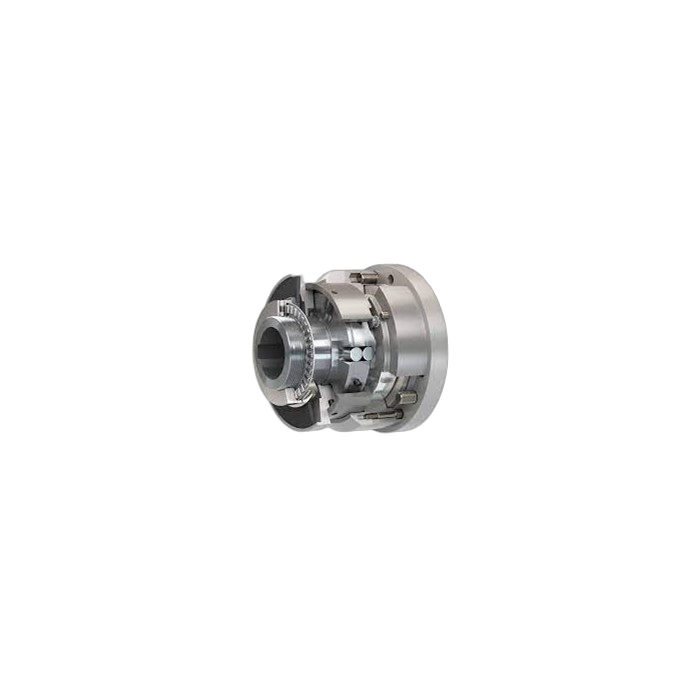
- A torque limiter typically consists of two flanges, one connected to the motor or input shaft and the other to the load or output shaft. The flanges are separated by a series of balls or rollers that are held in place by springs or a compressed disc. When the torque exceeds the predetermined limit, the balls or rollers slip out of their pockets, allowing the flanges to rotate independently and disconnecting the power transmission. Once the torque drops below the limit, the balls or rollers return to their pockets, and the power transmission is re-engaged.
- Friction torque limiters: These limiters use friction to prevent excessive torque from being transmitted through the shaft. They typically consist of two plates with a friction material in between that slips when the torque exceeds a certain level.
- Ball detent torque limiters: These limiters use balls that are held in place by springs in sockets on the input and output sides of the torque limiter. When the torque exceeds the set limit, the balls jump out of their sockets, preventing further transmission of torque.
- Shear pin torque limiters: These limiters use a pin that is designed to shear off when the torque exceeds a certain level. This stops the transmission of torque and protects the machinery from damage.
- Magnetic torque limiters: These limiters use a magnetic field to transmit torque. When the torque exceeds the set limit, the magnetic field weakens, and the transmission of torque is stopped.
- Hydraulic torque limiters: These limiters use hydraulic pressure to limit the amount of torque transmitted through the shaft. When the torque exceeds the set limit, the hydraulic pressure increases, and the transmission of torque is stopped.
- Conveyor systems: Torque limiters are used to protect conveyor systems from damage due to overloading or jamming.
- Packaging machinery: Torque limiters help prevent damage to packaging machinery caused by jams or overloading.
- Printing presses: Torque limiters are used to prevent damage to printing presses caused by paper jams or overloading.
- Industrial mixers: Torque limiters help prevent damage to industrial mixers caused by excessive torque.
- Material handling equipment: Torque limiters are used to protect material handling equipment such as cranes, hoists, and lifts from overloading or jamming.
- Power transmission systems: Torque limiters are used to protect power transmission systems such as gearboxes, couplings, and shafts from damage caused by overloading or sudden shock loads.
- To install a torque limiter, follow these steps:
- Determine the torque requirements of your application. This will help you choose the right type of torque limiter for your needs.
- Select a torque limiter that is compatible with your shaft sizes and mounting configuration.
- Install the torque limiter between the two shafts that need to be connected. Make sure that the torque limiter is properly aligned with the shafts and securely fastened in place.
- Adjust the torque setting on the limiter to the desired level. This can usually be done by tightening or loosening a set screw or adjusting a spring tension.
- Test the torque limiter to make sure it is functioning correctly. Apply torque to the system and observe the limiter to ensure that it is engaging and disengaging at the correct torque levels.
- Check the torque limiter regularly for signs of wear and tear, such as cracks, corrosion, or deformation.
- Clean the torque limiter periodically to remove dirt, debris, and other contaminants that can affect its performance.
- Lubricate the torque limiter according to the manufacturer's recommendations to ensure smooth and efficient operation.
- Test the torque limiter periodically to ensure that it is functioning correctly and providing the necessary protection.
- Replace the torque limiter if it shows signs of excessive wear or damage, or if it fails to perform as expected during testing.
- Read the manufacturer's instructions carefully and follow them strictly.
- Ensure that the torque limiter is installed correctly and that all components are securely fastened.
- Regularly inspect the torque limiter for signs of wear, damage, or corrosion.
- Check the torque limiter's calibration regularly and adjust it if necessary.
- Use the correct tools and equipment when installing or adjusting the torque limiter.
- Do not exceed the maximum torque limit of the torque limiter.
- Always wear appropriate personal protective equipment (PPE) such as gloves, safety glasses, and hearing protection when working with machinery.
- Never attempt to modify or repair the torque limiter yourself. Always seek the assistance of a qualified technician.
Torque Limiter Costs and Supplier Insights
Why choose a supplier in Adelaide for Torque Limiter Quotes?
If you are in Adelaide and considering purchasing a Torque Limiter, it's worth considering Adelaide-based suppliers. Doing so offers several benefits that are particularly relevant to businesses in the area. Here are the top reasons why opting for a local Adelaide supplier can be the best decision for your Torque Limiter buying needs.
Lower Carbon EmissionsContribute to lower carbon emissions by buying a Torque Limiter from Adelaide. Shorter supply routes mean significantly reduced environmental impact.
Local Suppliers are the Key to Supply Chain StrengthMake local Torque Limiter suppliers in Adelaide key your supply chain strength. Depend on them for quick replenishments and steady supplies.
Benefit from Adelaide Supplier ExpertiseEnhance your Torque Limiter's functionality with cutting-edge customisations. Tailored enhancements drive better business outcomes.
Immediate Assistance in AdelaideEnjoy immediate assistance and troubleshooting in Adelaide. Fast resolution keeps your operations running smoothly.
Compliance Assurance with Adelaide ExpertiseGain assurance in regulatory compliance for your Torque Limiter with Adelaide's expertise. Local suppliers are proactive in maintaining legal standards.
Build Community through Local PurchasesBuild lasting relationships by choosing local Torque Limiter suppliers in Adelaide. Your business becomes a contributor to the local economy.
Buy a Torque Limiter Near Me

 Reach valuable industrial buyers in minutes
 Promote key products & content
 Drive cost effective & measurable sales