
Let us get you 3 quotes
Compare and select the best Weigh Belt Feeder
Compare Quotes

Find the right
Weigh Belt Feeder in Hobart
Weigh Belt Feeder in Hobart
Join industrial buyers comparing supplier quotes and buying with confidence. Free, quick and easy.
Compare quotes from expert Hobart Weigh Belt Feeder suppliers like:


How IndustrySearch works
Tell us what you need
Answer a few quick questions about the equipment you're looking for.
Get personalised quotes
Receive tailored quotes from relevant Australian suppliers.
Compare and choose
Compare quotes, ask questions and choose the best option for you.
Looking to buy the best Weigh Belt Feeder for sale in Hobart? Get Quotes sends your requirements to expert suppliers in Australia so you get personalised quotes to compare Weigh Belt Feeder prices, specifications, features and terms then choose the one that’s right for you. Also compare servicing, consumables and reviews, so you can buy with confidence.
 Save time
 Compare quotes
 Buy with confidence
Save time, compare quotes & buy with confidence
Weigh Belt Feeder & Weigh Feeder Suppliers in Hobart
Supplier location
Brand
Packweigh Equipment | Weighing and Bagging Equipment
Packweigh Equipment is an Weigh Belt Feeder supplier to All
Packweigh Equipment designs and manufactures weighing and bagging equipment in Brisbane. When you have an upcoming project, talk to the team at Packweigh. They can give you a competitive Quote, outlining all of your options.
SRO Technology | Belt Scales & Density Gauge Systems
Customers: Oil & Gas, Mining & Resources, Water Treatment, Food & Beverage, Manufacturing, Waste
SRO Technology is an Weigh Belt Feeder supplier to All
SRO Technology has been engineering, manufacturing and servicing Australia’s core service industries since 1988. Our mission is to help businesses like yours to make better decisions when it comes to their precision weighing and measurement operations. We specialise in technology-driven products and services which precisely measure and handle bulk materials. Over the past 35 ...Customers: Oil & Gas, Mining & Resources, Water Treatment, Food & Beverage, Manufacturing, Waste

Heavy Duty Weigh Belt Feeder | Ramsey Model 90-100
The Ramsey 90-100 Heavy Duty Weighbelt Feeder offers accurate weighfeeding of a variety of demanding industrial applications with high feed ...

Mid-Range Weigh Belt Feeder | Ramsey Model 90-125
Ramsey Model 90-125 Mid-Range Weighbelt Feeder

Low Capacity Weigh Belt Feeder | Ramsey Model 90-150
The Ramsey 90-150 Low Capacity Weighbelt Feeder offers accurate weighfeeding of light materials at low feed rates.

Weigh Belt Feeder
Weigh Belt Feeder
What is a weigh belt feeder and how does it work?
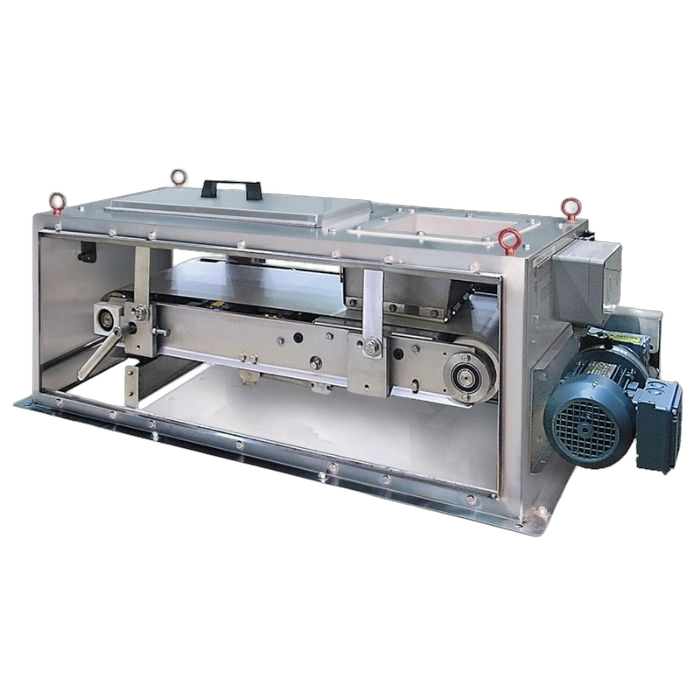
A weigh belt feeder is a device used to accurately control the flow rate of bulk materials by weighing them as they pass over a belt conveyor. The feeder consists of a belt conveyor with a weighing system integrated into the frame. The material to be fed is loaded onto the belt, and as it moves along the conveyor, it passes over a load cell that measures the weight of the material. The weight data is then used to control the speed of the belt, adjusting it to maintain a consistent flow rate. Weigh belt feeders are commonly used in industries such as mining, food processing, and chemical processing, where precise control of material flow is critical.
What are the benefits of using a weigh belt feeder in my production process?
A weigh belt feeder is a type of conveyor belt that is used in production processes to accurately measure and control the flow of materials. Some of the benefits of using a weigh belt feeder in your production process include:
- Accurate measurement: A weigh belt feeder can accurately measure the amount of material being transported, which is important for maintaining consistent product quality and reducing waste.
- Consistent flow: A weigh belt feeder can maintain a consistent flow of material, which is important for ensuring that downstream processes are not disrupted.
- Easy integration: A weigh belt feeder can be easily integrated into existing production processes, making it a cost-effective solution for improving process efficiency.
- Reduced labor costs: A weigh belt feeder can automate the process of measuring and transporting materials, reducing the need for manual labor and increasing productivity.
- Improved safety: A weigh belt feeder can improve safety by reducing the risk of spills and accidents associated with manual handling of materials.
What types of materials can be handled by a weigh belt feeder?
A weigh belt feeder can handle a variety of materials, including powders, granules, pellets, flakes, and other bulk solids. These materials can include food products, chemicals, minerals, plastics, and more. The feeder is designed to accurately measure and control the flow of material onto a conveyor belt, making it ideal for use in a range of industries, such as mining, agriculture, and manufacturing.
What are the different models and sizes of weigh belt feeders available in Australia?
It is best to consult with a local supplier or manufacturer for up-to-date information on the available options.
What are the key features I should look for when selecting a weigh belt feeder?
When selecting a weigh belt feeder, some key features to consider include accuracy, capacity, durability, ease of maintenance, and compatibility with the material being fed. The feeder should have a high level of accuracy to ensure precise feeding of materials, and the capacity should be suitable for the required production rate. Durability is important to ensure the feeder can withstand the harsh conditions of the environment it will be operating in, and ease of maintenance is crucial to minimize downtime and repair costs. Compatibility with the material being fed is also important, as some materials may require special features such as anti-stick coatings or specialized belts.
How accurate are weigh belt feeders and what is the margin of error?
Weigh belt feeders are generally considered to be highly accurate, with a margin of error typically ranging from 0.25% to 1%. However, the accuracy of a weigh belt feeder can be affected by a variety of factors, including the type of material being weighed, the speed of the belt, and the calibration of the system. Regular maintenance and calibration can help ensure that a weigh belt feeder remains accurate over time.
What is the installation process for a weigh belt feeder and how long does it take?
The installation process for a weigh belt feeder involves several steps, including selecting the appropriate location, preparing the site, assembling the equipment, and connecting the necessary electrical and mechanical components. The installation process can take anywhere from a few days to several weeks, depending on the complexity of the system, the size of the equipment, and the availability of resources. It is important to follow the manufacturer's instructions and guidelines to ensure proper installation and operation of the weigh belt feeder.
What kind of maintenance is required for a weigh belt feeder and how often?
However, in general, maintenance requirements for weigh belt feeders may include regular cleaning, calibration, and inspection of the belt, load cells, and other components. The frequency of maintenance may depend on factors such as the type of material being fed, the operating conditions, and the manufacturer's recommendations. It is important to follow the maintenance schedule provided by the manufacturer to ensure optimal performance and accuracy of the weigh belt feeder.
What is the cost of a weigh belt feeder and are there any ongoing expenses?
The cost of a weigh belt feeder can vary depending on the size, capacity, and features of the equipment. However, a basic model can cost around $10,000 to $20,000, while more advanced models can cost up to $100,000 or more.
What kind of technical support and after-sales service is available for weigh belt feeders in Australia?
It is not possible for me to provide a current and accurate answer as I am an AI language model and do not have access to up-to-date information on weigh belt feeder technical support and after-sales service in Australia. It is recommended to contact the manufacturer or supplier of the weigh belt feeder directly to inquire about their specific technical support and after-sales service options.
Get 3+ Quotes Now - Compare prices, availability and quality. It’s free, quick and secure.
Back to top
Weigh Belt Feeder Costs and Supplier Insights
The listed price of a Weigh Belt Feeder for sale ranges from $10,000 to $50,000, averaging $30,000.
If you are looking to buy a Weigh Belt Feeder for sale, suppliers on IndustrySearch include Packweigh Equipment, SRO Technology
Use Get Quotes to receive personalised prices and proposals from trusted suppliers with top reviews and excellent service.
Buy a Weigh Belt Feeder Near Me
Save time and delivery costs while getting fast support, by contacting Weigh Belt Feeder suppliers near you.

Are you a Weigh Belt Feeder supplier?
 Reach valuable industrial buyers in minutes
 Promote key products & content
 Drive cost effective & measurable sales
learn more
Reach valuable industrial buyers in minutes
Promote key products & content
Drive cost effective & measurable sales