
Flow Switch in Melbourne

Join industrial buyers comparing supplier quotes and buying with confidence. Free, quick and easy.





How IndustrySearch works
Tell us what you need
Answer a few quick questions about the equipment you're looking for.
Get personalised quotes
Receive tailored quotes from relevant Australian suppliers.
Compare and choose
Compare quotes, ask questions and choose the best option for you.
 Save time
 Compare quotes
 Buy with confidence
Save time, compare quotes & buy with confidence
Flow Switch | Liquid & Air Suppliers in Melbourne
AMS Instrumentation & Calibration is an Flow Switch supplier to Melbourne
AMS Instrumentation & Calibration Pty Ltd (AMS) has been in existence for more than 38 years supplying calibration equipment and industrial instrumentation to all industries. With more than 225 years of instrumentation experience of staff, we are sure we can offer our customers a solution to their problems. AMS has a proven track record of satisfied customers, which we believe ...Customers: BHP, Santos, Shell, Australian Navy, Coca Cola, CSL, ANSTO, Rio Tinto, FMG, Oil Search

Thermal Flow Switch | FLT93L

FCI Flow Switch - FS10i

FCI Insertion Flow Switch | FlexSwitch FLT93S

FCI Hygienic - Sanitary Flow Switch | FLT93C
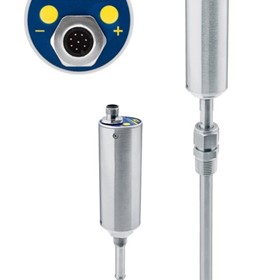
SIL 2 Compliant FS10i Flow Switch/Monitor | Flow Detection/Monitoring

Flow Switch Protects Pumps From Dry Running Conditions | FLT93

Pryde Measurement is an Flow Switch supplier to Melbourne
Pryde in Instrumentation and Controls!---is not just a play on words. Pride in the products we sell, the services we provide and in our people characterise Pryde Measurement. The Company was founded by George Pryde Paterson over thirty years ago as a consulting group to the chemical industry and has evolved to a position of leadership in Australia for the importation, distribution ...


International Chemicals Engineering is an Flow Switch supplier to Melbourne
International Chemicals Engineering (I.C.E) is a privately owned Australian company established in 1992. I.C.E has collectively over 100 years of experience with the specialist requirement of adding odorants to both Natural Gas and LPG. I.C.E has an unsurpassed reputation in supplying chemical metering pumps and specialty chemical injection system solutions for Australia and ...


Practical Control Solutions is an Flow Switch supplier to Melbourne
Practical Control Solutions Pty. Ltd. (PCS) was founded in 1996 to provide what its name implies-effective and economical solutions to industrial control problems. PCS not only supplies control instrumentation but can also design, build and commission complete control systems to your specifications. Our product range includes PID temperature & process controllers, micro PLCs, ...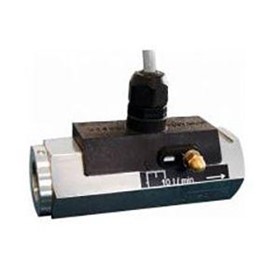
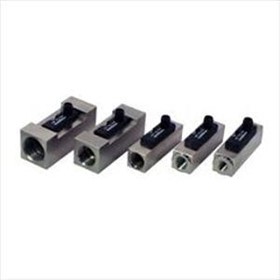

- HVAC systems: Flow switches are used in heating, ventilation, and air conditioning (HVAC) systems to detect the flow of water or air in the piping system. This helps in controlling the temperature and maintaining the efficiency of the HVAC system.
- Water treatment plants: Flow switches are used in water treatment plants to monitor and control the flow of water in the system. They help in maintaining the proper water flow rate and pressure, which is important for the treatment process.
- Chemical processing plants: Flow switches are used in chemical processing plants to control the flow of chemicals and other fluids in the system. They help in preventing overflows and leaks, which can be hazardous to the workers and environment.
- Oil and gas industry: Flow switches are used in the oil and gas industry to monitor the flow of oil and gas in pipelines. They help in detecting leaks and ensuring that the flow rate is within the desired range.
- Food and beverage industry: Flow switches are used in the food and beverage industry to monitor the flow of liquids in the processing and packaging of food products. They help in ensuring that the products are of high quality and meet the regulatory standards.
- Flow rate: The flow rate of the liquid or gas passing through the system is an essential factor to consider when selecting a flow switch. Choose a switch with a flow range that matches the application's needs.
- Fluid compatibility: The flow switch must be compatible with the fluid being monitored. Ensure that the switch's wetted parts are compatible with the fluid's chemical composition and temperature.
- Pressure rating: The pressure rating of the flow switch must match the pressure range of the system. Choose a switch with a higher pressure rating than the application requires to prevent damage or failure.
- Electrical rating: The electrical rating of the flow switch must match the electrical requirements of the application. Check the voltage and current ratings of the switch before selecting one.
- Switch type: There are different types of flow switches available, including paddle, thermal, and magnetic switches. Choose the switch type that best suits the application's needs.
- Accuracy and response time: The accuracy of the flow switch and its response time are crucial factors to consider. Choose a switch with high accuracy and fast response time for critical applications.
- Environmental conditions: The environmental conditions of the application, such as temperature, humidity, and vibration, must be considered when selecting a flow switch. Choose a switch that can withstand the environmental conditions of the application.
- Mechanical flow switches use a paddle or vane that moves with the flow of the fluid to activate a switch. When the flow rate reaches a certain level, the paddle or vane moves and triggers the switch. Mechanical flow switches are reliable and economical, but they can be affected by debris or sediment in the fluid, and they may require periodic maintenance.
- Electronic flow switches use sensors to detect the flow of the fluid and send a signal to a controller. They are more accurate and sensitive than mechanical flow switches, and they can be programmed for specific flow rates and set points. Electronic flow switches are also more expensive than mechanical flow switches and may require more complex installation and setup.
- Determine the location: The Flow Switch should be installed in a position where the flow of liquid or gas is most consistent and stable. This is typically near a straight section of pipe or duct, away from any elbows, valves, or other components that might affect the flow rate.
- Turn off the system: Before installing the Flow Switch, it is important to turn off the system and drain any remaining fluid from the pipes or ducts to prevent any accidents or damage.
- Mount the Flow Switch: The Flow Switch should be secured to the pipe or duct using the mounting hardware provided. The device should be aligned with the flow direction to ensure accurate readings.
- Connect the wiring: The Flow Switch should be connected to the controller or alarm system using the appropriate wiring. Make sure to follow the manufacturer's instructions carefully to avoid any wiring errors.
- Test the system: Once the Flow Switch is installed and wired correctly, it is important to test the system to make sure that it is functioning properly. This can be done by gradually increasing or decreasing the flow rate and checking that the device sends the appropriate signal to the controller or alarm system.
- Cleaning: A flow switch can accumulate dirt, debris, and scaling over time, which can interfere with its sensing element and moving parts. Regular cleaning using a soft brush or compressed air can help to remove these contaminants and prevent blockages.
- Calibration: A flow switch should be calibrated periodically to ensure that it is calibrated correctly and meets the desired set point. This involves adjusting the switch's sensitivity, hysteresis, and other parameters using a test rig or calibration equipment.
- Inspection: A flow switch should be inspected regularly for signs of wear, damage, or corrosion. This includes checking the switch's housing, electrical connections, sensing element, and moving parts for any signs of deterioration or malfunction.
- Lubrication: If a flow switch has moving parts, such as a paddle or a piston, they may require lubrication to prevent friction, wear, and sticking. A lightweight oil or grease can be applied to these parts as per the manufacturer's recommendations.
- Replacement: If a flow switch is found to be faulty, damaged, or beyond repair, it should be replaced with a new, compatible model. This ensures that the system's safety and efficiency are not compromised.
Flow Switch Costs and Supplier Insights
If you are looking to buy a Flow Switch for sale, suppliers on IndustrySearch include AMS Instrumentation & Calibration
Why choose a supplier in Melbourne for Flow Switch Quotes?
If you are in Melbourne and considering purchasing a Flow Switch, it's worth considering Melbourne-based suppliers. Doing so offers several benefits that are particularly relevant to businesses in the area. Here are the top reasons why opting for a local Melbourne supplier can be the best decision for your Flow Switch buying needs.
Local Suppliers are the Key to Supply Chain StrengthMake local Flow Switch suppliers in Melbourne key your supply chain strength. Depend on them for quick replenishments and steady supplies.
Reduce CostsReduce operational costs by sourcing your Flow Switch locally. Local suppliers can offer competitive pricing without the added expenses of long-distance logistics.
Build Community through Local PurchasesBuild lasting relationships by choosing local Flow Switch suppliers in Melbourne. Your business becomes a contributor to the local economy.
On-Site Flow Switch Support and TrainingBenefit from on-site support and training in Melbourne. Having access to immediate help and expertise ensures your team uses the equipment effectively.
Buying in Melbourne and Strengthen Your NetworkStrengthen your local business network by buying Flow Switch in Melbourne. Connect with other businesses and foster community ties through local transactions.
Personalised Flow Switch ConfigurationsBenefit from personalised Flow Switch configurations available exclusively through select local suppliers.
Buy a Flow Switch Near Me
Flow Switch Articles & Reviews


 Reach valuable industrial buyers in minutes
 Promote key products & content
 Drive cost effective & measurable sales